





So you want cake, but you want it gluten free, easy, and not weirdly dry like it spent a week in the desert. Fair. This recipe checks all three boxes without demanding a stand mixer, a scavenger hunt for rare ingredients, or blind faith.
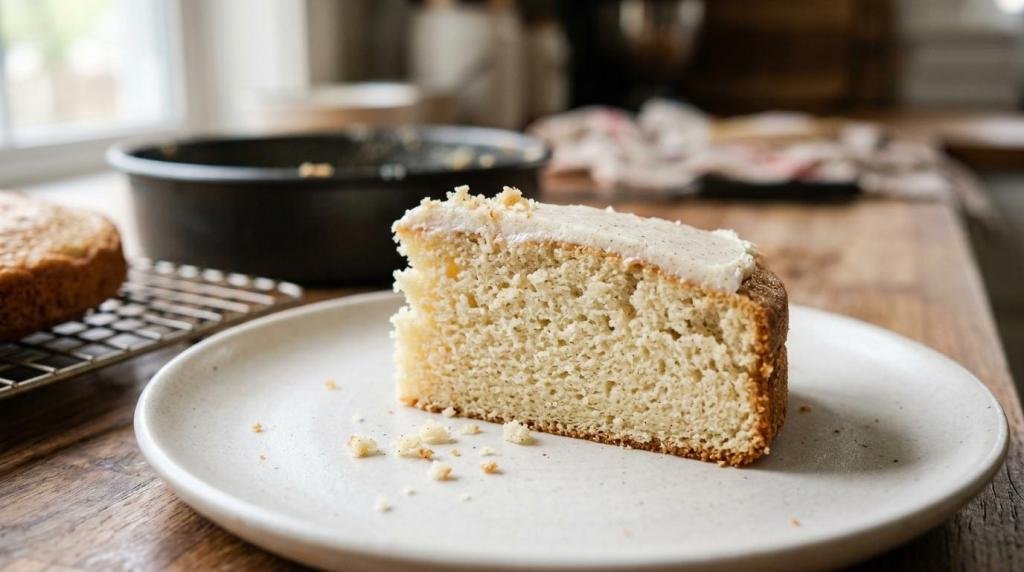
It’s a soft, tender vanilla cake with a clean crumb, a rich little hint of vanilla, and the kind of texture that makes people say, “Wait, this is gluten free?” That question is the dream, honestly. Even better, this version is dairy-free and egg-free too, so it plays nicely with more than one kind of dinner guest.
Why This Gluten Free Cake Recipe Is Awesome
A lot of gluten free cakes either crumble if you look at them wrong or turn gummy in the middle like they’re holding a grudge. This one stays moist, slices neatly, and keeps the ingredient list refreshingly normal. No fancy tricks, just smart ratios.
It’s also a good “base cake,” which is code for: dress it up however you want or enjoy it as a gluten free cake. Frost it, glaze it, top it with berries, or eat it plain over the sink in your pajamas. I’m not here to judge your cake lifestyle.
A few reasons this recipe earns a permanent spot in the rotation:
- One bowl
- Soft texture: not sandy, not rubbery, not sad
- Weeknight-friendly
- Vegan too: handy if eggs are expensive or just not your thing
- Easy to turn into cupcakes
Ingredients You’ll Need for This Gluten Free Cake
Nothing wild here. If you bake even occasionally, you probably already have most of this hanging out in your kitchen waiting for a purpose in life.
- Gluten-free all-purpose flour blend
- Xanthan gum: only if your flour blend doesn’t already include it
- Granulated sugar
- Baking powder
- Baking soda
- Salt
- Unsweetened plant milk: soy, almond, or oat all work
- Neutral oil
- Unsweetened applesauce
- Vanilla extract
- Apple cider vinegar: yes, really, it helps with lift and tenderness
For an 8-inch round or square cake, use:
| Ingredient | Amount |
|---|---|
| Gluten-free all-purpose flour blend | 2 cups |
| Xanthan gum, if needed | 1/2 teaspoon |
| Granulated sugar | 1 cup |
| Baking powder | 2 teaspoons |
| Baking soda | 1/2 teaspoon |
| Salt | 1/2 teaspoon |
| Unsweetened plant milk | 1 cup |
| Neutral oil | 1/3 cup |
| Unsweetened applesauce | 1/2 cup |
| Vanilla extract | 2 teaspoons |
| Apple cider vinegar | 1 tablespoon |
Quick tip: use a gluten-free flour blend meant for 1:1 baking. If you grab straight almond flour or coconut flour and hope for the best, that is not baking. That is improvisational theater.
Step-by-Step Instructions for Baking Gluten Free Cake
This comes together fast, so preheat first and act like you planned it that way.
- Preheat your oven to 350°F. Grease an 8-inch round or square cake pan, then line the bottom with parchment if you want easy removal and less drama.
- Add the flour, xanthan gum if using, sugar, baking powder, baking soda, and salt to a large bowl. Whisk well so everything is evenly mixed. Gluten-free baking likes a good head start.
- Pour in the plant milk, oil, applesauce, vanilla, and vinegar. Stir until the batter looks smooth and no dry pockets remain. Stop mixing once it comes together because overworking it can make the texture heavier.
- Let the batter sit for 5 minutes. This tiny pause helps the flour hydrate, which is a very boring sentence for a very useful step.
- Scrape the batter into the pan and smooth the top. Bake for 32 to 38 minutes, or until the center springs back lightly and a toothpick comes out with a few crumbs, not wet batter.
- Cool the cake in the pan for 10 to 15 minutes. Then turn it out onto a rack and let it cool completely before frosting, glazing, or attacking it with a fork.
- If you want a simple topping, mix powdered sugar with a splash of plant milk and vanilla for a quick glaze. Or spread on your favorite vegan frosting and call it a celebration, even if it’s just Tuesday.
Common Mistakes to Avoid With Gluten Free Cake
Gluten free cake baking is pretty forgiving when the basics are right. It gets cranky when people freestyle the chemistry.
- Skipping the oven preheat
- Using the wrong flour: single-ingredient flours are not a direct swap for a 1:1 blend
- Overmixing the batter
- Pulling it out too soon: a pale, wobbly center is not “basically done”
- Trying to frost it while it’s still warm
One more thing: don’t pack the flour into the measuring cup like you’re building a sandcastle. Spoon it in and level it off, or weigh it if you want to feel extra competent. Packed flour is one of the fastest ways to get a dense cake and a bruised ego.
If your cake comes out gummy, the usual suspects are too much liquid, underbaking, or a flour blend that already had enough binders and got extra xanthan gum piled on top. More binder is not always better. Sometimes it just turns your cake into a sponge with trust issues.
Gluten Free Cake Alternatives and Substitutions
This recipe is flexible, which is nice because nobody wants to run to the store over one missing ingredient. A few swaps work beautifully, and a few are merely “fine.” We’re aiming for beautiful.
Here’s the cheat sheet:
| If you’re out of… | Try this instead | What changes |
|---|---|---|
| Plant milk | Any unsweetened non-dairy milk | Flavor changes slightly, texture stays close |
| Applesauce | Plain dairy-free yogurt | Slightly richer crumb |
| Neutral oil | Melted vegan butter | A bit more buttery flavor |
| Granulated sugar | Coconut sugar | Darker color, deeper flavor |
| Vanilla extract | Almond extract, half as much | Stronger flavor, use carefully |
| 8-inch cake pan | 9-inch pan | Bake a little less, check early |
Can you make it chocolate? Absolutely. Replace 1/4 cup of the flour with cocoa powder and add 2 to 3 tablespoons more plant milk if the batter looks too thick. Chocolate is forgiving like that. Vanilla is the one that politely exposes every mistake.
Can you turn it into cupcakes? Yes, and it’s a great move if you like built-in portion control or the illusion of it. Fill lined muffin cups about two-thirds full and bake around 18 to 22 minutes.
Gluten Free Cake FAQ
Can I make this gluten free cake ahead of time?
Yep, and it actually does well with a little planning. Bake it a day ahead, cool it fully, then wrap it tightly. It stays tender and is often easier to frost once it has settled down a bit.
Can I freeze this cake?
You sure can. Wrap the whole unfrosted cake or individual slices tightly and freeze for up to two months. Thaw at room temperature and act very pleased with your past self.
Why did my gluten free cake turn out dry?
Usually it’s one of three things: too much flour, too much baking time, or a flour blend that absorbs liquid like it’s training for a marathon. Measure carefully and start checking the cake a few minutes before the timer thinks it’s the boss.
Can I use almond flour instead of a gluten-free flour blend?
Short answer: no, not as a straight swap. Almond flour behaves very differently, and if you swap it cup-for-cup, the texture will go sideways fast. Save almond flour for recipes built around it.
Do I really need xanthan gum?
Only if your flour blend doesn’t already include it. Many 1:1 blends do, which is convenient and saves you from buying one more small bag of mysterious white powder. Check the label before you add extra.
Can I frost it the same day?
Yes, as long as the cake is fully cool. I know patience is annoying, but warm cake plus frosting equals slippery chaos. Tasty chaos, maybe, but still chaos.
How should I store leftover gluten free cake?
Keep it covered at room temperature for a day or two, or refrigerate it for a bit longer if your kitchen runs warm. Just let chilled slices sit out for a few minutes before eating. Cold cake is fine, but room-temperature cake has better flavor and a softer texture.
If you bake this gluten free cake once, there’s a decent chance it becomes your default cake recipe whenever birthdays, potlucks, or random Tuesday cravings show up. And honestly, that’s the kind of kitchen shortcut worth keeping.


