





Vegan freezer meals turn one cooking session into many ready-to-eat meals, which is why they matter for busy home cooks, budget-conscious households, and anyone trying to eat more plant-based food consistently. They solve a very practical problem: healthy dinners often fail when time, energy, or ingredients run low. A well-built freezer meal removes that friction by giving you a portioned, balanced option that is already cooked. Done well, it also cuts waste, supports nutrition, and makes meal prep much easier to repeat.

What makes a vegan freezer meal actually freezer-friendly?
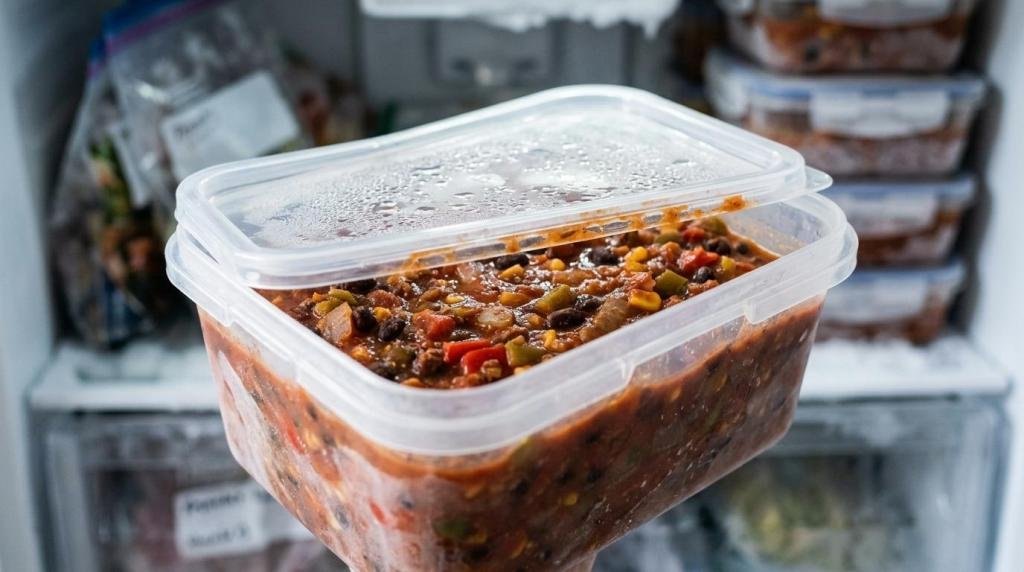
Yes. Black bean chili and minestrone freeze well because moisture and structure protect texture better than salads or avocado bowls. USDA guidance and Oregon State University Extension both favor cooked soups, stews, beans, and casseroles for home freezing.
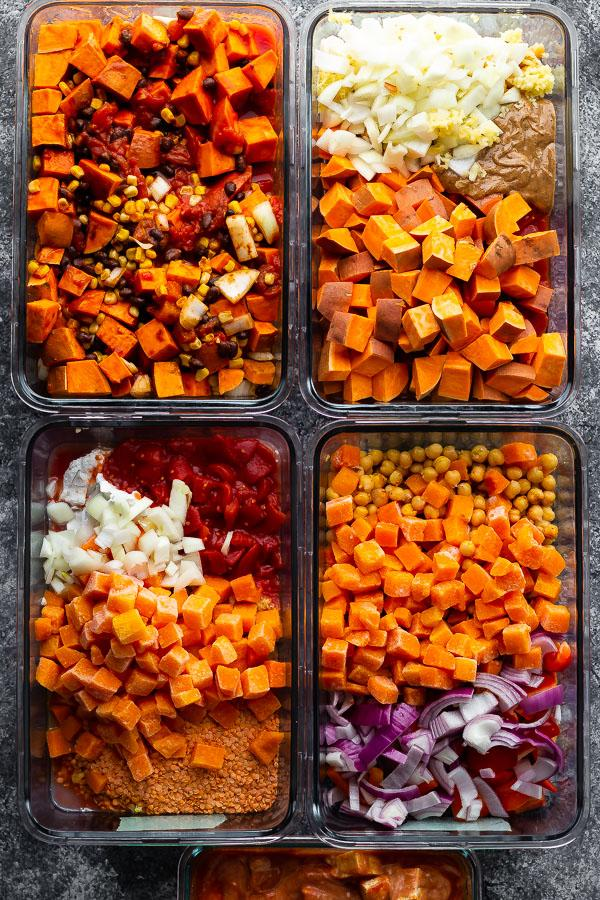
The best vegan freezer meals share a few traits. They are cooked, relatively moist, and built from ingredients that can handle thawing without turning watery or grainy. Beans, lentils, tomato sauces, curries, cooked grains, and mashed vegetables usually perform well. Raw lettuce, cucumber, avocado, and delicate herbs do not.
Texture is the deciding factor. If a dish contains lots of free water, thawing can rupture plant cells and create mushiness. That is why cauliflower rice freezes better after a quick sauté than when packed raw, and why a thick lentil stew often reheats better than a crisp vegetable stir-fry.
A common misconception is that any healthy vegan meal can be frozen. It cannot. If the meal depends on crunch, fresh emulsions, or dairy-free creaminess from cashews or coconut alone, you may need to freeze the base and add finishing elements later.

Why are vegan freezer meals so effective for meal prep?
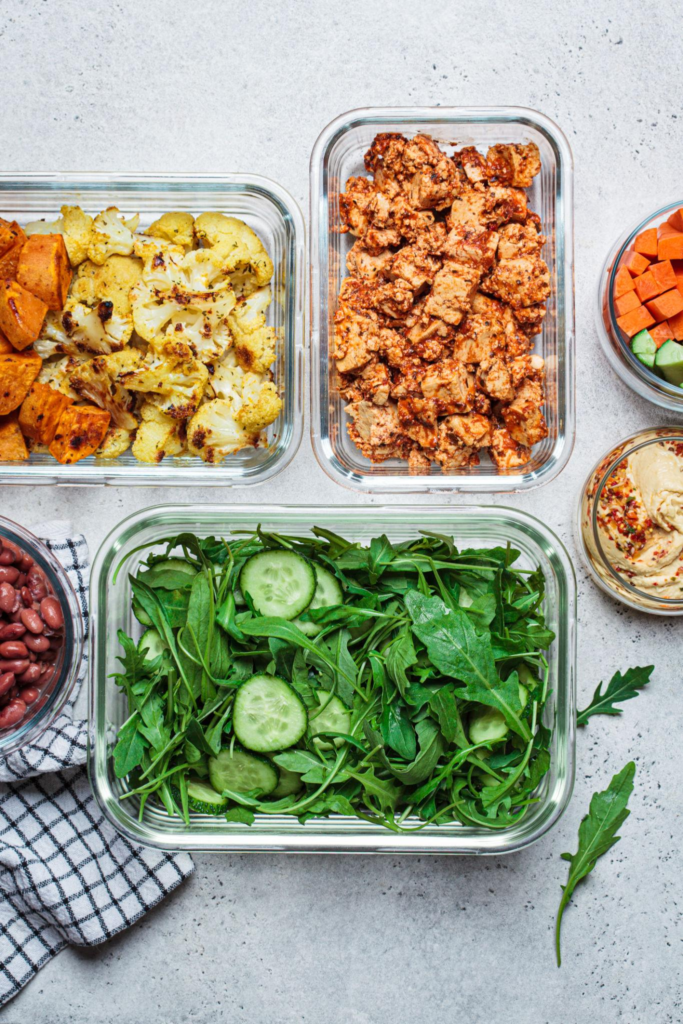
They are efficient. Chickpea masala and tofu Thai curry turn one cooking session into several balanced meals, cutting weekday decisions while keeping protein and fiber high. That combination solves the main meal-prep problem: healthy food that is ready when time is short.
The nutrition case is strong. A tofu and chickpea green curry can reach about 27 grams of protein per serving, while a bean-based chili can deliver around 10 grams of fiber in one bowl. Meals built around legumes, vegetables, and whole grains also support satiety, which makes them easier to stick with than snack-based eating.
The practical case is just as strong. Batch cooking lowers per-meal labor, helps use bulk ingredients, and reduces takeout dependence. If you cook three base recipes on Sunday, then weekday dinners stop competing with work, commuting, or family tasks.
One more benefit is often missed: frozen vegetables are not nutritionally inferior by default. In many cases they are picked ripe and frozen quickly, which helps preserve nutrients. If fresh produce is likely to sit in the refrigerator for a week, frozen can be the better choice.
What are the best vegan freezer meal resources and recipe hubs?
A few sources stand out. Vegan Meal Prep, USDA guidance, and established vegan recipe publishers all help with different parts of freezer cooking: recipes, safety, storage times, and planning.
If you want reliable help, use one source for planning and another for food safety. That avoids a common problem where a recipe tastes good but does not freeze well, or freezes well but lacks clear storage guidance.
- Vegan Meal Prep: beginner-friendly vegan freezer meal ideas, meal-prep workflows, and free planning resources that make batch cooking easier to repeat.
- USDA food safety materials: practical standards for cooling, thawing, reheating, and freezer temperature.
- Oregon State University Extension and NDSU Extension: dependable freezer storage ranges and home food preservation advice.
- Vegan Meal Prep Sunday: recipe-driven examples of chili, meal plans, shopping lists, and freezer portioning ideas.
- Recipe publishers like Plantbaes or Thali Method: useful benchmarks for high-protein curries, chickpea meals, and fast-prep options.
The best workflow is simple: get your recipe structure from a meal-prep publication, then check storage and thawing against USDA or extension guidance.
How do you batch-cook vegan freezer meals in 3 practical steps?
Start with a simple framework. A Dutch oven, sheet pan, and rice cooker are enough to turn a 90-minute prep block into a freezer stash. If you cook components with reuse in mind, variety goes up while effort stays stable.
Step 1 is choosing meal formats, not just recipes. Pick three freezer-friendly categories: one soup or stew, one curry or saucy bean dish, and one starch or casserole. A black bean chili, chana masala, and lentil shepherd’s pie create variety without requiring completely different ingredients.
Step 2 is ingredient overlap. Use onions, garlic, tomatoes, beans, lentils, and frozen vegetables across multiple dishes. If your shopping list has too many one-off items, your prep session becomes slower and more expensive.
Step 3 is portioning for your real schedule. Freeze single servings for lunches and two-serving containers for dinners. Pro tip: flat freezer bags save more space than rigid containers, but casseroles hold shape better in glass or sturdy meal-prep trays.
Which vegan meals freeze better: soups and stews or grain bowls and pasta?
Soups and stews usually win. Chili and minestrone keep texture better than pasta casseroles or mixed grain bowls because water redistributes more evenly during thawing. The trade-off is that bowls can feel fresher, while soups are more forgiving.
Here is the practical difference:
| Meal type | Freeze performance | Best use | Trade-off |
|---|---|---|---|
| Soups and stews | Excellent | High-volume batch cooking | Less texture contrast |
| Curries | Very good | Protein-rich lunches and dinners | Coconut sauces can separate slightly |
| Grain bowls | Good if components are separate | Portion control and quick assembly | Mixed bowls can get soggy |
| Pasta dishes | Fair to good | Family-style prep | Pasta often softens after thawing |
| Raw salad meals | Poor | Refrigerator meal prep only | Texture loss is immediate |
Common misconception: pasta itself is not the problem. Overcooked pasta is. If you want minestrone, freeze the soup base and cook pasta fresh on reheating day. That one change dramatically improves texture.
How do you freeze vegan meals safely in 3 steps?
Safe freezing is straightforward. USDA guidance centers on fast cooling, airtight packaging, and storage at 0°F. A soup container and a freezer bag can both work if air is minimized and portions are shallow enough to chill quickly.
Step 1 is cooling quickly. Do not put a deep pot straight into the freezer. Transfer food into shallow containers so heat escapes faster. Foodservice cooling SOPs aim to move hot food through the danger zone quickly, and home cooks can copy that principle by portioning before chilling.
Step 2 is packaging tightly. Leave a little headspace for expansion, especially with soups and curries, but not so much that air circulates freely. Air is what drives freezer burn and flavor loss.
Step 3 is labeling and rotation. Write the meal name and date on every container. If you do this, older meals get used first and your freezer stops becoming a mystery box.
How long do vegan freezer meals last, and what affects quality?
Most cooked vegan freezer meals taste best within 2 to 3 months. Black bean chili can hold quality longer, while cauliflower rice and coconut curries often show texture changes sooner. Time affects flavor and texture more than safety when the freezer stays at 0°F.
Quality windows vary by recipe. Extension guidance commonly places prepared soups and stews in roughly the 2 to 4 month range for best quality. Recipe-specific guidance is often narrower: chana masala may be best within a month, minestrone around 2 months, and cauliflower rice stir-fry around 2 months.
Several variables change the outcome. More fat can mean better flavor retention but a higher chance of sauce separation. More water can help a stew reheat smoothly but can make vegetables softer. Smaller portions freeze and thaw faster, which protects both safety and texture.
Pro tip: judge freezer meals by “best quality,” not just “still edible.” If the meal smells fine but tastes flat, dry, or stale, it stayed frozen too long or was packed with too much air.
Which proteins work best in vegan freezer meals: beans, lentils, tofu, or chickpeas?
Beans and lentils are the most reliable, while tofu is the most texture-sensitive. Chickpeas, brown lentils, and extra-firm tofu all provide protein, but they thaw very differently. Your best choice depends on whether you want creaminess, structure, or speed.
Here is how the main options compare:
| Protein | Freeze reliability | Texture after reheating | Typical use |
|---|---|---|---|
| Black beans | Excellent | Soft, creamy | Chili, burrito filling, soups |
| Brown lentils | Excellent | Firm but tender | Shepherd’s pie, bolognese, stews |
| Chickpeas | Very good | Slightly firmer | Chana masala, curries, tagines |
| Extra-firm tofu | Good | Chewier, spongier | Thai curry, stir-fries, scrambles |
If you want the safest default, choose lentils or black beans. If you want a high-protein curry with more bite, use extra-firm tofu and press it well before cooking. That removes excess water and improves texture after thawing.
A common misconception is that tofu “goes bad” in the freezer meal more easily than beans. The bigger issue is mouthfeel, not safety. Some people actually prefer frozen-then-thawed tofu because it becomes more porous and absorbs sauce better.
How do you reheat vegan freezer meals in 3 steps without ruining texture?
Gentle reheating works best. The microwave and stovetop both preserve vegan meals if you add moisture when needed and reheat to a steaming center. If a meal separates after thawing, it usually needs stirring, not throwing out.
Step 1 is thawing smartly when possible. Overnight refrigerator thawing gives more even reheating, especially for dense meals like shepherd’s pie. If you forgot, many soups, chilies, and curries can go straight from freezer to stovetop over low heat.
Step 2 is restoring moisture. Add a tablespoon or two of water, broth, or plant milk if rice, lentils, or pasta seem dry. If a coconut curry looks split, stir well while heating. Most sauces come back together.
Step 3 is finishing fresh. A squeeze of lime, chopped cilantro, or a spoon of nutritional yeast makes reheated food taste newly cooked. Pro tip: save fresh herbs, toasted nuts, and crunchy toppings for after reheating, not before freezing.
What mistakes cause freezer burn, mushy vegetables, or bland flavor?
Most freezer problems come from air, water, or poor assembly. Frozen basil, overcooked broccoli, and half-filled containers all reduce quality faster than the recipe itself. Small process fixes usually solve freezer burn, mushiness, and flat flavor.
The recipe is rarely the only issue. Storage method and assembly timing matter just as much.
- Freezing food while still hot: Traps steam, creates condensation, and speeds ice crystal formation.
- Packing too much air into containers: Increases freezer burn and stale flavor.
- Freezing full meals with fresh toppings: Herbs, lettuce, avocado, and crunchy garnishes lose their purpose.
- Overcooking vegetables before freezing: Broccoli, zucchini, and bell peppers keep breaking down during reheating.
- Freezing pasta or rice mixed into very wet sauces for too long: Texture softens fast, even when flavor stays good.
If a meal keeps turning bland, the fix is often seasoning after reheating. Salt, acid, and heat perception all drop slightly when food is frozen and reheated.
How can you build a balanced vegan freezer meal plan for a week?
A good freezer plan balances protein, fiber, and repeatability. Lentil shepherd’s pie, chana masala, and minestrone can cover most lunches and dinners for a week if portions are labeled and rotated. Planning matters as much as cooking.
Aim for a freezer mix that includes one legume-heavy meal, one vegetable-heavy meal, one higher-protein option, and one comfort meal you genuinely want to eat when tired. That last part matters. A perfect freezer plan fails if the meals do not sound appealing on a busy Wednesday.
A strong weekly structure looks like this:
- 2 bean or lentil meals
- 1 tofu-based meal
- 1 soup or stew
- 1 starch side prepared separately
- 1 fresh garnish strategy
Keeping the starch separate is a smart move. Cook rice, quinoa, or pasta in fresh batches when you can, then pair it with frozen mains. A printable planner from Vegan Meal Prep or a simple notes app can keep shopping, prep order, and freezer inventory in one place, which makes the system easy to repeat rather than starting from scratch each week.


