





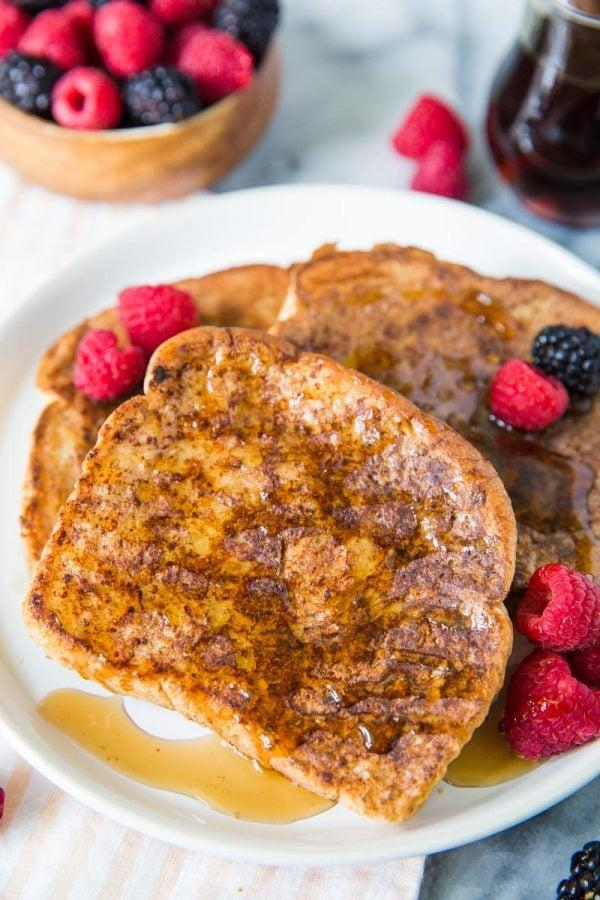
Could vegan French toast really deliver crisp golden edges, a tender center, and brunch-level comfort in about 20 minutes, often with less total cooking time than a traditional family-size batch? It can, and that is exactly why vegan French toast has become one of the smartest plant-based breakfast recipes for busy mornings, slow weekends, and make-ahead meal prep.
Introduction to vegan French toast
A great vegan French toast recipe works because it focuses on structure, not imitation. Classic flavor comes from cinnamon, vanilla, maple, and good browning. Texture comes from a smart batter that clings to the bread and sets quickly in the pan. When those two pieces come together, the result tastes familiar, rich, and deeply satisfying.
Recipe benchmarks from several popular vegan cooking sites place total time for plant-based French toast between 15 and 30 minutes. That can be faster than many classic stovetop versions made for a full batch, especially when you use a cornstarch or chickpea flour batter that needs little or no resting time. Add sturdy bread and a properly heated skillet, and you are in excellent shape.
This is also a flexible dairy-free breakfast. You can make it nut-free, soy-free, gluten-free, higher in protein, or lower in sugar without giving up flavor.
Ingredients for vegan French toast
The best ingredient list is simple, fragrant, and built for texture. Think thick slices of bread, a silky plant milk base, warming spices, and one ingredient that gives the batter body.
- Bread: 8 thick slices of sourdough, ciabatta, French bread, vegan brioche, or sturdy whole grain bread
- Plant milk: 1 cup unsweetened oat milk or soy milk for a creamy, balanced batter
- Binder: 1/4 cup chickpea flour for a more custardy set, or 1/4 cup cornstarch for lighter crisp edges
- Vanilla extract: 1 teaspoon for sweet, bakery-style aroma
- Ground cinnamon: 1 teaspoon for warmth and depth
- Maple syrup: 1 tablespoon, plus more for serving if you like
- Nutritional yeast: 1 tablespoon, optional, for subtle savory depth
- Baking powder: 1/2 teaspoon, optional, for a slightly lighter finish
- Fine salt: 1 small pinch to sharpen the flavor
- Vegan butter or neutral oil: for greasing the skillet
If you want substitutions, they are easy. Oat milk brings gentle sweetness, soy milk adds more protein, almond milk keeps the batter lighter, and diluted coconut milk adds richness. If you need a seed-free version, use chickpea flour or cornstarch instead of flax or chia. If you want a whole-food approach, ground chia works well, though it needs a short rest before cooking.
Bread matters as much as the batter. Thick, slightly stale slices absorb enough liquid to taste luscious without collapsing. Soft sandwich bread can work in a pinch, but a sturdy loaf gives the most reliable plant-based French toast texture.

Timing for vegan French toast
Timing is one of the best surprises here. Many vegan versions come together in 15 to 30 minutes total, which is often 20 to 50 percent faster than a classic full-batch stovetop recipe that needs a longer cook window.
| Task | Time | Notes |
|---|---|---|
| Batter mixing | 5 minutes | Slightly longer if blending tofu batter |
| Batter rest | 0 to 15 minutes | Needed mainly for chia or flax |
| Bread dipping | 2 to 3 minutes | Faster with sturdy bread |
| Pan cooking | 8 to 12 minutes | Based on 4 servings in batches |
| Total time | 15 to 30 minutes | Most common range |
For the fastest route, choose a cornstarch or chickpea flour batter. For a more whole-food version, chia or flax adds a short waiting period while the batter thickens.
Equipment for vegan French toast
A few practical tools make this recipe easier and more consistent, especially if you are cooking for more than one person.
- Wide shallow dish
- Balloon whisk
- Nonstick skillet or electric griddle
- Flexible spatula
- Sheet pan for holding slices warm
- Blender, if using silken tofu
A nonstick skillet is the most forgiving option for beginners. If you cook brunch often, an electric griddle set around 350°F makes batch cooking much easier and keeps browning even from slice to slice.
Step-by-step vegan French toast instructions
These steps are designed for reliability, whether you are making a quick weekday breakfast or a larger weekend brunch spread.
Step 1: Mix a balanced vegan French toast batter
Whisk the chickpea flour or cornstarch with cinnamon, salt, optional nutritional yeast, and baking powder first. Then whisk in the plant milk, vanilla, and maple syrup until smooth. If you use chia or flax, let the batter rest 10 to 15 minutes so it thickens. The ideal texture should lightly coat a spoon, not run off like plain milk and not sit like pudding.
Step 2: Preheat the pan before dipping the bread
Set your skillet over medium heat and give it a few minutes to warm fully. Add a small amount of vegan butter or oil. This step changes everything. A hot pan helps the batter set quickly, which means better browning and less risk of soggy centers. If the fat smokes, the pan is too hot.
Step 3: Dip the bread briefly and evenly
Place one slice at a time into the shallow dish. Turn it once, letting each side absorb the batter without becoming drenched. Thick sourdough or ciabatta can handle a slightly longer dip. Softer bread should be a quick in-and-out. Lift the slice and let excess batter drip off for a second before moving it to the pan.
Step 4: Cook the first side until the surface looks set
Lay the bread in the skillet without crowding it. Cook for about 2 to 4 minutes on the first side. You are looking for a golden brown surface, lightly crisp edges, and a center that no longer looks wet. If the outside darkens too quickly, lower the heat a touch.
Step 5: Flip and finish the second side
Turn the slice gently with a flexible spatula and cook another 2 to 3 minutes. The second side usually cooks a little faster. Press lightly in the center. It should feel springy, not mushy. If you are making a big batch, move finished slices to a 200°F oven while the rest cook.
Step 6: Add toppings just before serving
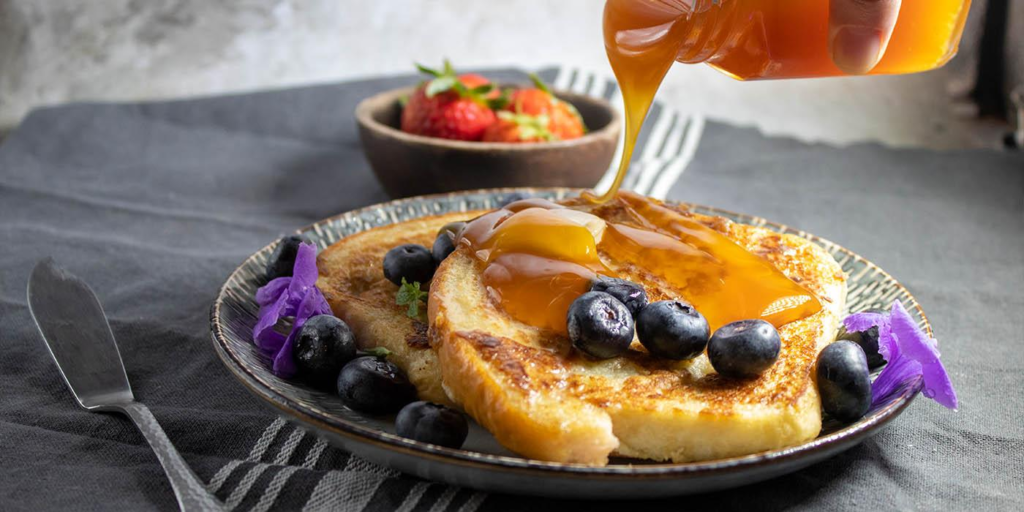
Serve immediately for the best texture. A dusting of cinnamon, fresh berries, sliced banana, warm maple syrup, or a spoonful of dairy-free yogurt all work beautifully. If you want more contrast, add toasted nuts or seeds for crunch.
Nutritional information for vegan French toast
Nutrition varies by bread, milk, and toppings, though vegan French toast often compares favorably with classic French toast because it has no cholesterol when fully plant-based. A practical estimate for one slice, before toppings, looks like this:
| Nutrient | Approximate amount per slice |
|---|---|
| Calories | 160 to 180 |
| Carbohydrates | 28 to 30 g |
| Protein | 5 to 7 g |
| Fat | 2 to 4 g |
| Fiber | 2 to 4 g |
| Sodium | 300 to 350 mg |
| Cholesterol | 0 mg |
These numbers reflect a recipe built with fortified plant milk and a moderate amount of oil. Soy milk and chickpea flour tend to push protein higher. Whole grain bread raises fiber. Added syrup, whipped toppings, and sweet spreads can shift the total quickly.
USDA food composition data also supports a useful big-picture point: plant-based versions can keep breakfast satisfying while cutting cholesterol entirely and making it easier to manage saturated fat, depending on the milk and cooking fat you choose.
Healthier alternatives for vegan French toast
If you want your easy vegan French toast recipe to fit a specific nutrition goal, a few smart swaps go a long way.
- Higher protein: use soy milk or pea milk and choose chickpea flour as the binder
- Lower sugar: skip maple syrup in the batter and rely on fruit for sweetness
- Higher fiber: use whole grain or sprouted bread
- Gluten-free: choose a sturdy gluten-free loaf and shorten the soak time
- Nut-free: use oat milk, soy milk, or rice milk instead of almond milk
- Lower fat: cook on a quality nonstick pan with minimal oil
You can also top your slices with berries, chia, hemp hearts, or unsweetened yogurt to build a more balanced breakfast. That makes this recipe useful for meal prep, post-workout mornings, or a lighter brunch plate.
Serving suggestions for vegan French toast
This recipe can go sweet, lightly savory, or somewhere in between. For a classic breakfast plate, stack two or three slices and top with strawberries, blueberries, bananas, maple syrup, and a small spoonful of coconut yogurt. A little citrus zest wakes up the whole plate.
For a richer brunch feel, pair vegan French toast with cinnamon apples, toasted pecans, and a drizzle of almond or sunflower seed butter. If you want contrast, serve it beside smoky tempeh, a fruit salad, or a hot oat milk latte.
If you like meal-prep breakfasts, cook extra slices and rotate toppings through the week. One day can be berry compote and yogurt. The next can be sliced pear, walnut pieces, and a dusting of cinnamon.
Common mistakes to avoid with vegan French toast
Most problems come down to bread choice, batter thickness, or heat control. Once you know the common trouble spots, this recipe becomes very dependable.
| Mistake | What happens | Better move |
|---|---|---|
| Using soft, thin bread | Tears and turns soggy | Choose thick, sturdy, slightly stale slices |
| Batter is too thin | Weak coating, pale finish | Add more chickpea flour or cornstarch |
| Batter is too thick | Pasty exterior | Thin with a splash of plant milk |
| Pan is too cool | Soggy interior, little browning | Preheat fully over medium heat |
| Pan is too hot | Dark outside, undercooked center | Lower heat to medium or medium-low |
| Over-soaking the bread | Slice falls apart | Dip briefly, especially with sandwich bread |
| Skipping flavor balance | Flat taste | Use enough cinnamon, vanilla, salt, and maple |
A useful kitchen habit is to cook one test slice first. That one slice tells you whether your batter needs thinning, whether the pan is hot enough, and whether the bread can handle a longer soak.
Storing tips for vegan French toast
Vegan French toast stores surprisingly well, which is why it works for breakfast meal prep. Let slices cool completely before packing them. If you stack them while hot, trapped steam softens the crust.
For the refrigerator, place parchment between slices and store them in an airtight container for up to 3 days. Reheat in a toaster, toaster oven, or skillet to bring back the crisp exterior. The microwave is fast, though it tends to soften the texture.
For the freezer, freeze the slices in a single layer first, then transfer them to a freezer bag or airtight container. They keep their best quality for about 3 months. Reheat straight from frozen in a toaster oven, air fryer, or skillet.
Vegan French toast recipe recap
Golden outside, tender inside, and fully plant based, this vegan French toast relies on sturdy bread, a balanced batter, and steady heat. Try it this week, then share your review in the comments and subscribe for more meal-prep recipes, breakfast ideas, and practical cooking updates on our blog each week.
FAQs about vegan French toast
What is the best egg replacement for vegan French toast?
It depends on the texture you want. Chickpea flour gives a more custardy, egg-like set. Cornstarch creates lighter, crisp edges. Chia and flax are excellent whole-food options, though they need resting time.
Which plant milk works best for dairy-free French toast?
Soy milk and oat milk are the most reliable choices. Soy milk adds body and protein, while oat milk gives a creamy texture and mild sweetness. Almond milk works well too, though it creates a slightly lighter result.
Why is my vegan French toast soggy?
Usually the bread is too soft, the batter is too thin, or the pan is not hot enough. Thick, slightly stale bread and a fully preheated skillet fix most soggy batches.
Can I make vegan French toast gluten-free?
Yes. Use a sturdy gluten-free loaf, keep the soak short, and make sure the batter is not too thin. Gluten-free bread can be more delicate, so gentle handling helps.
Can I make it ahead for meal prep?
Absolutely. Cook the slices, cool them completely, and refrigerate for up to 3 days or freeze for up to 3 months. Reheat in a toaster, skillet, or air fryer for the best texture.
Do I need nutritional yeast?
No, though it can add a subtle savory note that makes the flavor feel more rounded. If you do not have it, the recipe still works very well with cinnamon, vanilla, maple, and salt doing the heavy lifting.
What toppings go best with vegan French toast?
Fresh berries, banana, maple syrup, yogurt, toasted pecans, cinnamon apples, and nut or seed butter all pair well. If you want a lighter plate, fruit and yogurt are a smart match. If you want a richer brunch, add warm compote and a creamy topping.


