






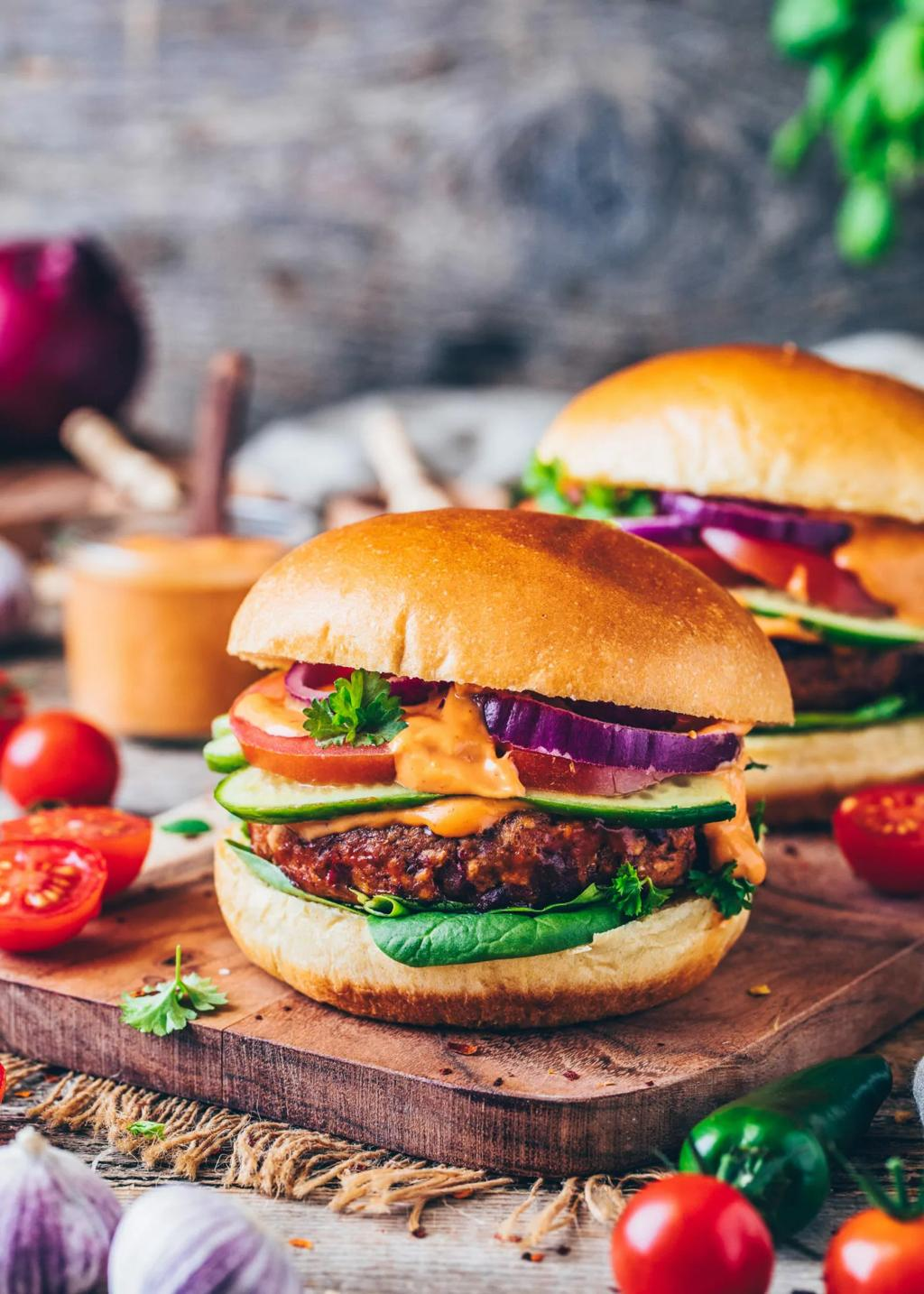
A great burger earns its place by texture as much as taste. This vegan burger does both, with a crisp crust, a tender center, and enough savory depth to stand up to any bun, sauce, or topping lineup you love.

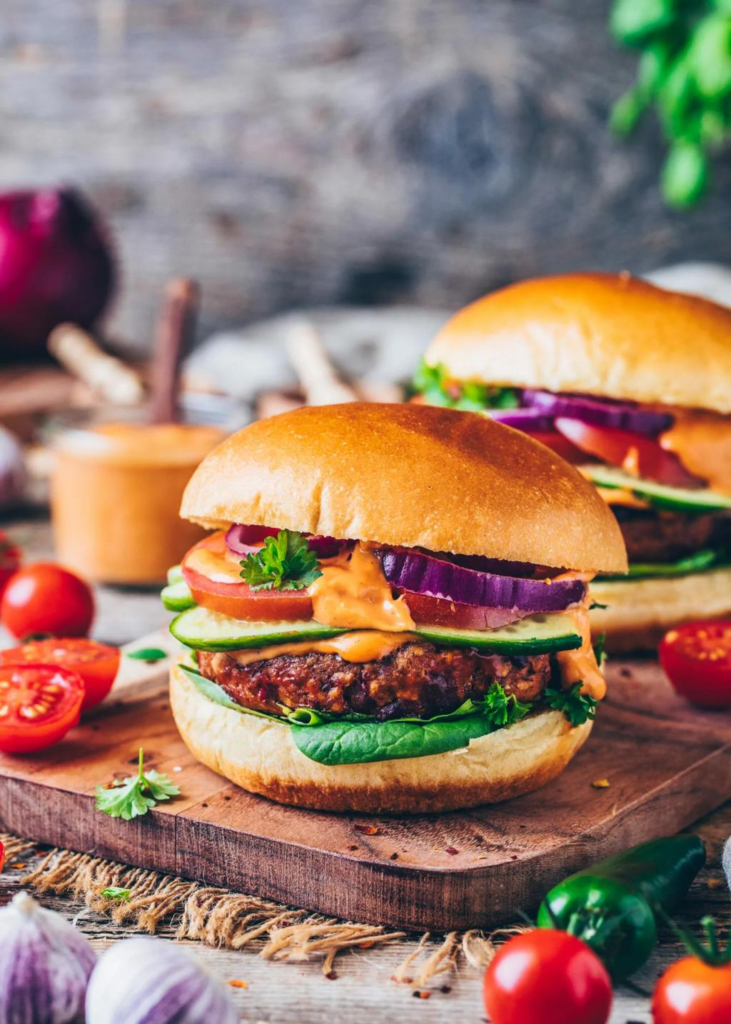
Vegan burger introduction: why this recipe works
Can a vegan burger really deliver a juicy bite, solid protein, and a craveable crust while adding fiber that a classic beef burger simply does not have?
Yes, and the numbers make the case. A homemade vegan burger built from black beans, mushrooms, and whole grains often lands around 8 to 15 grams of protein and 4 to 8 grams of fiber per patty, depending on the mix. That combination matters because texture and satisfaction come from structure, moisture control, and umami, not just from fat. This recipe uses black beans for body, mushrooms for savoriness, brown rice for cohesion, and oat flour for a clean, dependable bind.
It is also a strong meal-prep choice. The patties hold well in the fridge, freeze cleanly, and reheat with minimal quality loss. If you want a plant-based burger that feels practical on a weeknight and impressive on a weekend, this is the one to make.
Vegan burger equipment that simplifies meal prep
You can make these patties with basic kitchen tools, though a few pieces of equipment make the process faster and more consistent.
- Food processor: quick pulsing for a textured burger patty instead of a paste
- Cast-iron or nonstick skillet: better browning and a stronger crust
- Sheet pan: easy chilling and batch cooking
- fish spatula
- mixing bowl
- measuring cups and spoons
- Burger press or ring mold: cleaner shaping if your mixture feels soft
Vegan burger ingredients list with substitutions
The ingredient balance here is intentional. You want protein, binder, moisture, and seasoning all working together.
| Ingredient | Amount | Why it matters | Easy substitution |
|---|---|---|---|
| Ground flaxseed | 1 tbsp | Helps bind the patties | Chia seeds |
| Water | 2 1/2 tbsp | Activates the flax “egg” | Aquafaba, 3 tbsp |
| Black beans, rinsed and drained | 1 can, 15 oz | Protein, fiber, hearty base | Cooked lentils or chickpeas |
| Cremini mushrooms, finely chopped | 1 cup | Deep umami flavor, juicy texture | Button mushrooms |
| Yellow onion, finely diced | 1/2 small | Sweetness and aroma | Shallot |
| Garlic, minced | 2 cloves | Sharp, savory backbone | 1 tsp garlic powder |
| Cooked brown rice | 1/2 cup | Structure and tenderness | Quinoa or sticky white rice |
| Oat flour | 1/4 cup | Binder without heaviness | Breadcrumbs or almond flour |
| Nutritional yeast | 2 tbsp | Savory, cheesy notes | Finely ground sunflower seeds |
| Tomato paste | 1 tbsp | Concentrated depth and color | Ketchup, slightly sweeter |
| Tamari or soy sauce | 1 tbsp | Salt and umami | Coconut aminos |
| Dijon mustard | 1 tsp | Brightness and balance | Yellow mustard |
| Smoked paprika | 1 tsp | Grill-like flavor | Regular paprika plus a pinch of chili |
| Ground cumin | 1/2 tsp | Warm, earthy edge | Coriander |
| Black pepper | 1/4 tsp | Mild heat | Fresh cracked pepper |
| Olive oil | 1 tbsp | Pan browning | Avocado oil |
For serving, use burger buns, lettuce, tomato, pickles, red onion, avocado, vegan mayo, mustard, or a quick slaw. A whole-grain bun makes this meatless burger more filling, while a lettuce wrap keeps it lighter and gluten-free if your oats are certified gluten-free.
Vegan burger timing: prep, cook, and total time
This recipe is efficient because it relies on canned beans and cooked rice rather than starting from dry ingredients.
| Task | Time |
|---|---|
| Prep time | 20 minutes |
| Chill time | 15 minutes |
| Cook time | 10 minutes |
| Total time | 45 minutes |
| Active time | 30 minutes |
That total is often 20 to 30 percent faster than from-scratch bean burger recipes that require cooking dry beans or grains first. If you already have cooked rice in the fridge, the process moves even faster.
Vegan burger step-by-step instructions for the best texture
Step 1: Make the flax binder
Stir the ground flaxseed and water in a small bowl, then let it sit for 5 to 10 minutes. It will thicken into a gel that helps hold the vegan burger together without making it dense.
If you use aquafaba instead, skip the resting time and mix it in later with the seasonings.
Step 2: Cook the mushrooms and onion
Heat a dry skillet over medium heat and add the chopped mushrooms and onion. Cook for 5 to 7 minutes, stirring often, until the vegetables lose their excess water and the pan looks mostly dry. Add the garlic for the last 30 seconds.
This step changes the whole outcome. Raw vegetables release water while cooking, which leads to soft, fragile patties. Cooking them first gives your burger mix a richer flavor and a firmer finish.
Step 3: Build the vegan burger mixture
Add the black beans to a large bowl and mash them lightly. You want a mix of mashed beans and visible pieces. Stir in the cooked mushroom mixture, brown rice, flax binder, oat flour, nutritional yeast, tomato paste, tamari, mustard, smoked paprika, cumin, and black pepper.
If you own a food processor, pulse half the beans with the cooked vegetables and seasonings, then fold that into the rest of the beans and rice. That method creates a more “meaty” plant-based burger texture because you get both cohesion and bite.
Step 4: Shape and chill the patties
Divide the mixture into 4 equal portions and shape into patties about 1/2 to 3/4 inch thick. Place them on a parchment-lined plate or sheet pan, then chill for 15 minutes.
Chilling is not a throwaway step. It gives the oats time to absorb moisture and makes flipping much easier. If the mixture feels too wet before chilling, add 1 more tablespoon of oat flour.
Step 5: Cook the vegan burger patties
Heat the olive oil in a skillet over medium to medium-high heat. Cook the patties for 4 to 5 minutes on the first side, then flip carefully and cook 3 to 5 minutes on the second side.
You are looking for a dark golden crust, not just heat. Browning creates flavor, and flavor is what makes a veggie burger feel complete rather than merely worthy.
Step 6: Rest and assemble
Let the patties rest for 2 minutes before serving. Toast the buns if you like, then layer with lettuce, tomato, pickles, onion, and your sauce of choice.
For extra savoriness, brush the hot patties with a few drops of tamari mixed with olive oil. If you like a smoky burger, add chipotle mayo. If you want a brighter finish, add slaw or quick-pickled onions.
Vegan burger nutritional information per patty
These values are approximate for the patty only, without bun or toppings. Exact nutrition changes with ingredient brands and portion size.
| Nutrient | Approximate amount per patty |
|---|---|
| Calories | 185 |
| Protein | 10 g |
| Carbohydrates | 24 g |
| Fiber | 7 g |
| Fat | 6 g |
| Saturated fat | 1 g |
| Sodium | 390 mg |
| Iron | 2.6 mg |
Compared with many traditional burger patties, this vegan burger offers meaningful fiber and a lower saturated fat profile. If you add a whole-grain bun, avocado, and vegetables, you also raise potassium, folate, and overall satiety.
Healthier vegan burger alternatives for different dietary goals
This recipe already leans nutrient-dense, though small changes can shift it toward higher protein, lower sodium, or allergen-friendly meal prep.
- Higher protein: replace half the rice with crumbled tempeh or 1/2 cup cooked lentils
- Lower sodium: use no-salt-added beans and cut tamari to 2 teaspoons
- Gluten-free vegan burger: use certified gluten-free oat flour and buns
- Soy-free option: use coconut aminos instead of tamari
- Richer omega-3 profile: add 1 tablespoon hemp hearts or extra flax
- Lower-fat serving: skip mayo and use mustard, salsa, or lemony slaw
If you prefer a softer, more classic black bean burger, keep the full amount of rice. If you want a firmer burger patty for grilling, add 1 extra tablespoon of oat flour and chill the patties for 30 minutes.
Vegan burger serving suggestions for weeknights and cookouts
A vegan burger becomes much more memorable when the toppings bring contrast. Creamy, crunchy, tangy, and spicy elements all have a place here. A simple stack with lettuce, tomato, pickles, and mustard works beautifully, though a burger bar is even better if you are cooking for mixed tastes.
Try these patties with sweet potato wedges, cabbage slaw, roasted broccoli, or a cucumber salad. If you are serving a crowd, make sliders and offer two sauce options, one smoky and one bright. Chipotle mayo and tahini mustard both pair well with the bean and mushroom base.
This recipe also works beyond the bun. Serve a patty over greens with quinoa and pickled onions for a burger bowl, or tuck it into pita with shredded lettuce and a creamy sauce for a lunch that travels well.
Common vegan burger mistakes to avoid
Most vegan burger problems come down to moisture and handling, not seasoning.
- wet beans
- raw watery vegetables
- overprocessed mixture
- skipping chill time
- flipping too early
- cooking on heat that is too low
If your patties fall apart, dry the beans more thoroughly, cook off moisture from the mushrooms, and add a little more oat flour. If they feel dense, you probably mashed too aggressively or added too much binder.
Vegan burger storing tips for meal prep
These patties are excellent for advance prep. Store cooked vegan burger patties in an airtight container in the refrigerator for up to 4 days. Separate layers with parchment if needed. Reheat in a skillet, oven, or air fryer for the best texture.
For freezing, place cooked or uncooked patties on a parchment-lined tray until firm, then transfer to a freezer-safe container with parchment between layers. They keep their best quality for about 2 to 3 months. A skillet brings back the crispest crust, while an air fryer is the fastest option.
Vegan burger recipe recap and next step
This vegan burger balances black beans, mushrooms, rice, and oat flour for a patty that is hearty, crisp outside, and tender inside. Make a batch, customize the toppings, then share your results in the comments or review section and subscribe for more meal-prep recipes and practical cooking updates each week.
Vegan burger FAQs
Can I make this vegan burger without a food processor?
Yes. Mash the beans with a fork or potato masher, chop the mushrooms finely, and mix everything by hand. A food processor helps with speed and consistency, though it is not required.
Can I grill these patties?
Yes, though they need to be well chilled first. A grill pan, cast-iron griddle, or foil-lined tray gives the best support. If your goal is a very sturdy grilled vegan burger, add 1 extra tablespoon of oat flour.
Why is my black bean burger mushy?
The usual cause is excess moisture. Beans that are not dried well, mushrooms that were not cooked down, or too much soft grain can all soften the mix. Cook the vegetables until the pan looks dry and chill the patties before cooking.
Can I make this vegan burger ahead for meal prep?
Absolutely. Shape the patties one to two days in advance and keep them chilled, or cook a batch and refrigerate them for up to 4 days. This recipe is especially useful for lunches because it reheats well.
What toppings work best with a plant-based burger?
Pick toppings that bring contrast. Crisp lettuce, juicy tomato, sharp pickles, and a creamy sauce make the burger feel balanced. If you like bold flavor, add avocado, slaw, caramelized onions, or a smoky chili sauce.


