





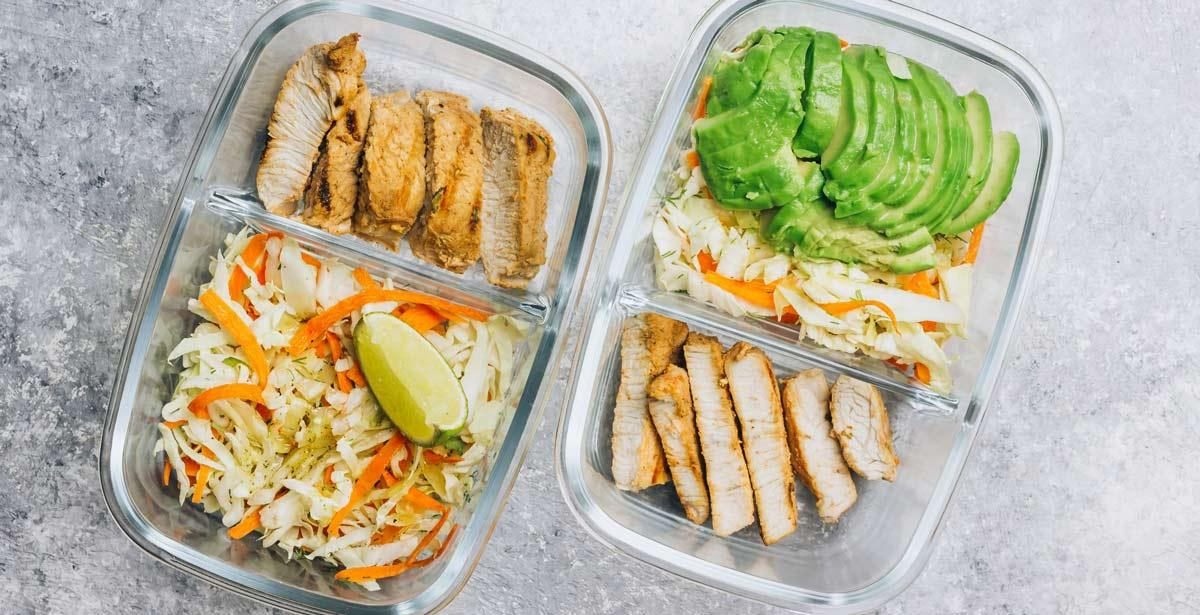
Can a low carb meal prep routine be satisfying, plant-based, and realistic in under 90 minutes when many people still assume low-carb eating means plain chicken, eggs, and salad? The short answer is yes. Research on low-carb eating keeps pointing to the same truth: consistency and food quality matter more than chasing strict rules. A smart prep system built around tofu, non-starchy vegetables, healthy fats, and bold sauces can make weekday meals easier to stick with and far more enjoyable.
This version is designed as a practical, make-ahead lunch or dinner: roasted tofu, cauliflower rice, broccoli, zucchini, shredded cabbage, and a lemony tahini-herb sauce. It is rich in fiber, steadying in energy, and flexible enough for different carb targets.
Introduction to low carb meal prep for busy weekdays
A strong low carb meal prep plan does two things at once. It lowers reliance on refined starches like rice, pasta, and bread, and it raises the quality of what replaces them. Harvard nutrition guidance has emphasized this point clearly: lower-carb patterns tend to look better long term when they focus on vegetables, plant-forward fats, and minimally processed foods.
That is why this recipe uses cauliflower rice as the base, roasted vegetables for volume, and tofu for protein. You get the structure of a grain bowl without the carb load of a typical lunch prep container. Many grain-based meal prep bowls land in the 45 to 60 gram carbohydrate range per serving. This one stays far lower while still feeling complete.

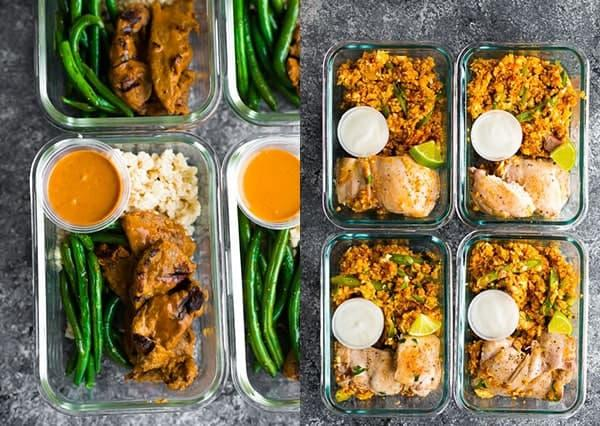
Ingredients for this plant-based low carb meal prep
The ingredient list is short, but each item carries weight. Cauliflower rice keeps the base light, tofu adds staying power, and tahini brings richness without needing bottled sugary dressing.
| Ingredient | Amount | Why it works | Easy swap |
|---|---|---|---|
| Extra-firm tofu | 2 blocks, 14 oz each | High-protein plant base with low carbs | Tempeh or baked seitan if tolerated |
| Cauliflower rice | 6 cups | Replaces rice with a lighter, veggie-forward base | Chopped cabbage or broccoli rice |
| Broccoli florets | 5 cups | Fiber, crunch, and strong roasted flavor | Brussels sprouts or green beans |
| Zucchini | 3 medium, sliced | Tender, mild, and low in carbs | Yellow squash or mushrooms |
| Shredded red cabbage | 3 cups | Color, texture, and make-ahead durability | Slaw mix or chopped kale |
| Olive oil | 3 tbsp | Helps roasting and adds healthy fat | Avocado oil |
| Tahini | 1/3 cup | Creamy dressing base with sesame depth | Sunflower seed butter for sesame-free needs |
| Lemon juice | 3 tbsp | Brightness that keeps the bowls lively | Apple cider vinegar |
| Garlic | 2 cloves, minced | Sharp, savory backbone | Garlic powder |
| Fresh parsley or cilantro | 1/2 cup | Fresh finish that wakes up reheated meals | Dill or basil |
| Smoked paprika | 2 tsp | Warm, savory depth | Chili powder |
| Ground cumin | 1 tsp | Earthy balance | Coriander |
| Salt and black pepper | To taste | Brings the flavors together | Low-sodium seasoning blend |
| Pumpkin seeds | 1/3 cup | Crunch and extra minerals | Hemp seeds or sliced almonds |
| Avocado | 1 to 2, optional | Creamy topping for serving day | Olives or extra dressing |
Timing for this low carb meal prep recipe
This prep session is efficient because most of the work happens in parallel.
| Task | Time |
|---|---|
| Ingredient prep | 20 minutes |
| Roasting and cooking | 35 minutes |
| Sauce and assembly | 20 minutes |
| Total time | 75 minutes |
That 75-minute window is often less time than cooking four separate weekday lunches from scratch. It also cuts daily decision-making almost to zero, which is one reason meal prep supports better adherence.

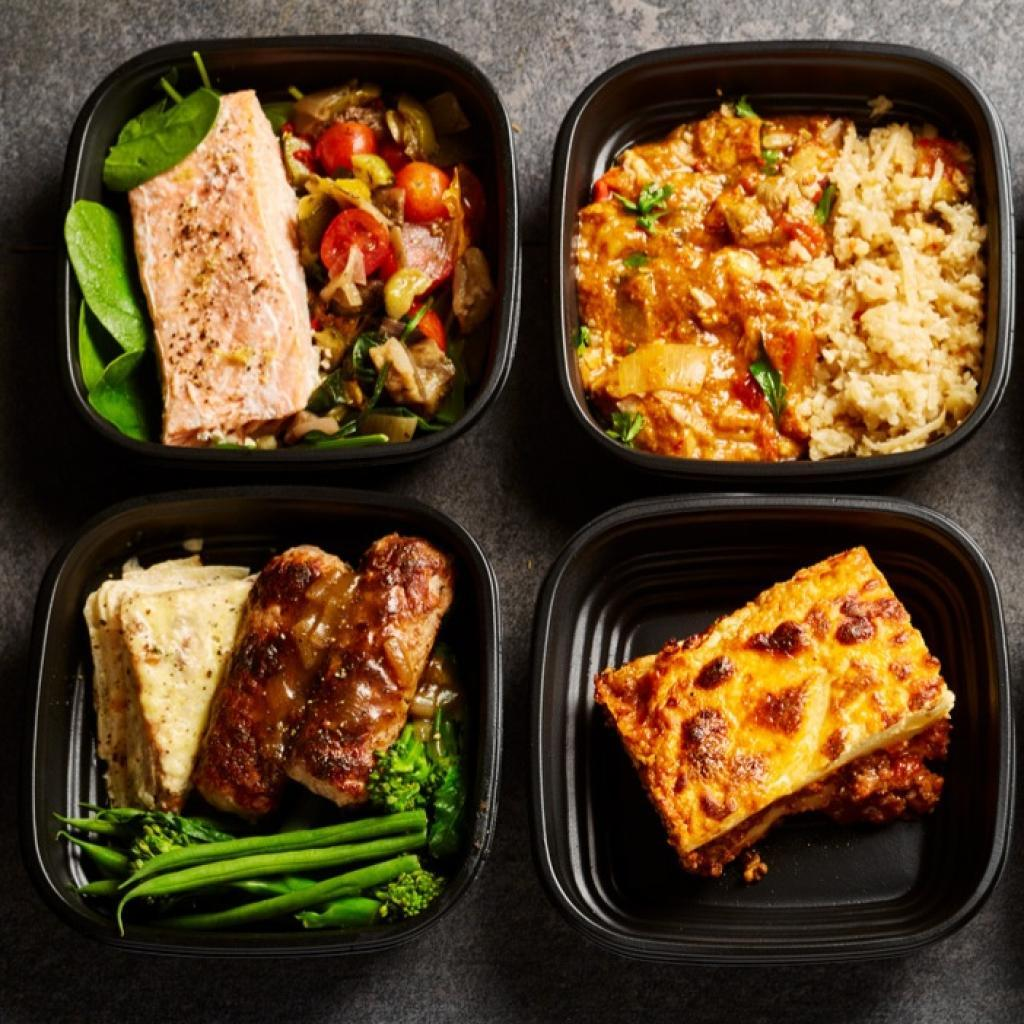
Step-by-step low carb meal prep instructions
A component-style method keeps the process fast and the texture better through the week.
Step 1: Press and season the tofu
Press the tofu for 10 to 15 minutes, then cut it into cubes. Toss it with 1 tablespoon olive oil, smoked paprika, cumin, salt, and pepper.
Spread it on a parchment-lined sheet pan with space between the cubes. Crowding traps steam, and steamed tofu never gets the same firm edges.
Step 2: Roast the vegetables for texture and flavor
Place broccoli and zucchini on a second sheet pan. Toss with 1 tablespoon olive oil, salt, and pepper. Roast both trays at 425°F for 25 to 30 minutes, flipping halfway.
Roasting is not the only way to prep vegetables, though it is one of the most practical for real-life meal satisfaction. Steaming may protect more water-soluble nutrients in some cases, yet roasted vegetables often get eaten more gladly, which matters.
Step 3: Cook the cauliflower rice without making it soggy
While the oven works, heat a wide skillet over medium-high heat. Add the remaining olive oil, then cook the cauliflower rice for 5 to 7 minutes until just tender. Season lightly with salt, pepper, and a squeeze of lemon.
Do not overcook it. Low carb meal prep falls apart fast when the base turns watery by day two.
Step 4: Make the tahini herb dressing
Whisk tahini, lemon juice, garlic, chopped herbs, 3 to 5 tablespoons water, and a pinch of salt until smooth. The dressing should be pourable but still creamy.
Taste once, then adjust. If the vegetables are roasted deeply, a little extra lemon brings balance. If the dressing feels sharp, one more spoonful of tahini softens the edge.

Step 5: Build the meal prep bowls
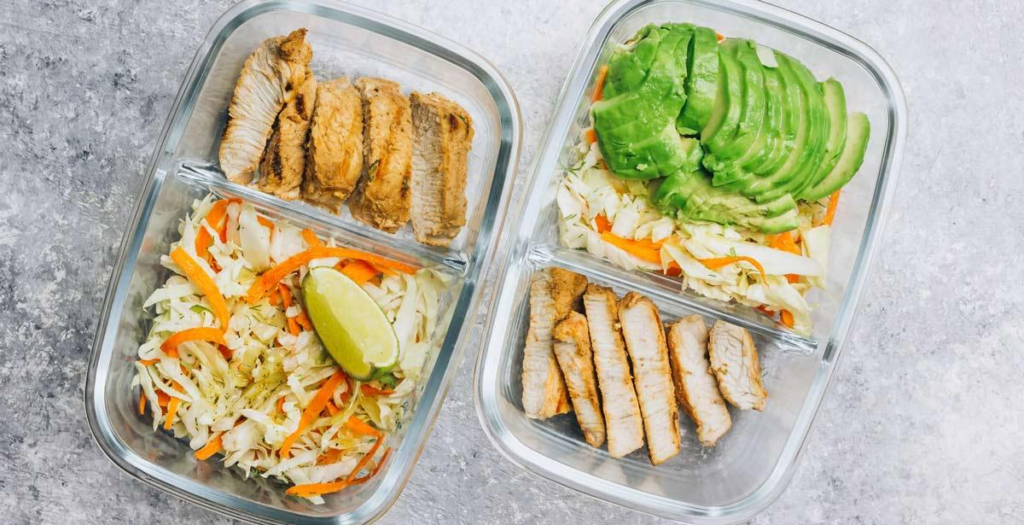
Divide cauliflower rice among four containers. Add tofu, broccoli, zucchini, and shredded cabbage. Keep the dressing in separate small containers if you want the best texture through day four.
Top with pumpkin seeds just before eating, not during assembly, if you want them to stay crisp.
Step 6: Reheat with care and finish fresh
Reheat the tofu, cauliflower rice, broccoli, and zucchini together. Leave the cabbage, herbs, avocado, and dressing out until the end.
This small habit changes everything. A warm base plus cool, crunchy toppings makes the bowl taste freshly made instead of stored.
Nutritional information for each low carb meal prep bowl
These numbers are estimates for one of four bowls, not including avocado.
| Nutrition | Per serving |
|---|---|
| Calories | 390 |
| Protein | 23 g |
| Total carbohydrates | 18 g |
| Fiber | 8 g |
| Net carbs | 10 g |
| Fat | 25 g |
| Saturated fat | 3.5 g |
| Sodium | Varies by seasoning |
From a meal design perspective, this is where the recipe works well. Protein is high enough to support satiety, fiber is solid for a lower-carb bowl, and net carbs stay controlled without leaning on processed “keto” products.
Healthier alternatives for low carb meal prep
One of the best parts of low carb meal prep is how easily you can adjust it without changing the whole method. Small swaps can shift the nutrition profile in useful ways.
- For more protein: add shelled edamame if your carb target allows, or use high-protein tofu.
- For lower sodium: season more with lemon, herbs, cumin, and smoked paprika, then reduce added salt.
- For a nut- and sesame-free version: replace tahini with sunflower seed butter thinned with lemon and water.
- For a higher-fiber bowl: mix chopped kale into the cabbage or add chia to the dressing.
- Spiralized zucchini base
- Mushroom and cabbage skillet base
- Lettuce-cup meal prep
- Roasted cauliflower mash instead of rice
Serving suggestions for low carb meal prep bowls
These bowls are flexible enough to feel different across the week, which is a major win when meal monotony starts creeping in.
- Serve warm with avocado and extra herbs for dinner.
- Spoon into romaine leaves for a crisp lunch wrap.
- Add chili flakes and cucumber for a sharper, fresher profile.
- Turn the components into a low carb stir-fry on day three.
If you enjoy batch cooking, this same formula also works with peanut-lime dressing, chimichurri, or a dairy-free green goddess sauce. The base stays the same; the mood changes.
Common low carb meal prep mistakes to avoid
Most low carb meal prep problems are texture problems, planning problems, or both. A few are nutrition issues hiding in plain sight.
- Too many processed shortcuts: low-carb bars, wraps, and snacks can fit the carb count while missing the fiber and satisfaction of whole foods.
- Too little protein: a vegetable-heavy container without a solid protein source often leads to snacking later.
- Overdoing calorie-dense add-ons: nuts, oils, seeds, and dressings are useful, but loose pouring can shift the meal quickly.
- Watery vegetables: overcooked zucchini and cauliflower rice weaken the whole bowl.
- One-note flavor: low-carb meals need acid, herbs, spice, and crunch to replace what starch usually contributes.
A good rule is simple: anchor the meal with protein, build volume with non-starchy vegetables, then use fats and sauces with intention.
Storing tips for low carb meal prep freshness
Safe storage matters just as much as smart prep. USDA food safety guidance recommends refrigerating cooked leftovers at 40°F or below, using most within 3 to 4 days, and reheating to 165°F.
Store cooked tofu and vegetables in shallow airtight containers so they cool quickly. Keep dressing separate. Keep crunchy toppings separate too. If you are using avocado, slice it fresh on the day you eat the bowl rather than storing it pre-cut.
This recipe is best in the refrigerator for up to four days. Freezing is possible for the tofu, broccoli, and cauliflower rice, though zucchini softens after thawing. If you plan to freeze portions, leave out the cabbage, herbs, and dressing until later.
Weekly low carb meal prep recap
Low carb meal prep works best when protein, fiber-rich vegetables, and bold sauces are planned together. Try these tofu bowls this week, rate them in the review section, leave a comment with your favorite swap, and subscribe for more plant-based meal prep ideas, smart shortcuts, and fresh weekly recipe updates ahead.
Low carb meal prep FAQs
Can low carb meal prep still be plant-based and filling?
Yes. The key is combining plant protein, fiber, and fat in the same container. Tofu, tempeh, edamame, seeds, avocado, and non-starchy vegetables create a far more satisfying result than vegetables alone.
How low is “low carb” for this recipe?
That depends on your target. This bowl sits in a moderate low-carb range at about 10 grams net carbs per serving before avocado. It is lower in carbs than a grain bowl, though not as restrictive as a classic ketogenic meal.
Can I make this without tofu?
Yes. Tempeh works well. Seitan can work if gluten fits your diet. If you are not eating fully plant-based, eggs or salmon also fit a low carb meal prep structure.
What containers work best?
Use medium glass or BPA-free meal prep containers with tight lids. Small sauce containers are worth having because they keep textures sharper and make reheating easier.
How do I keep cauliflower rice from smelling strong?
Cook it briefly, season it while warm, and avoid trapping steam in the container. Let it cool before sealing. Lemon juice and herbs also help keep the flavor clean.
Is low carb meal prep good for blood sugar control?
It can be a useful pattern for many people because it lowers the starch load of the meal and raises the share of protein and vegetables. Research has linked healthy low-carb approaches with improved glycemic markers in many settings. Individual needs still vary, so medical guidance matters if you have a health condition.


