


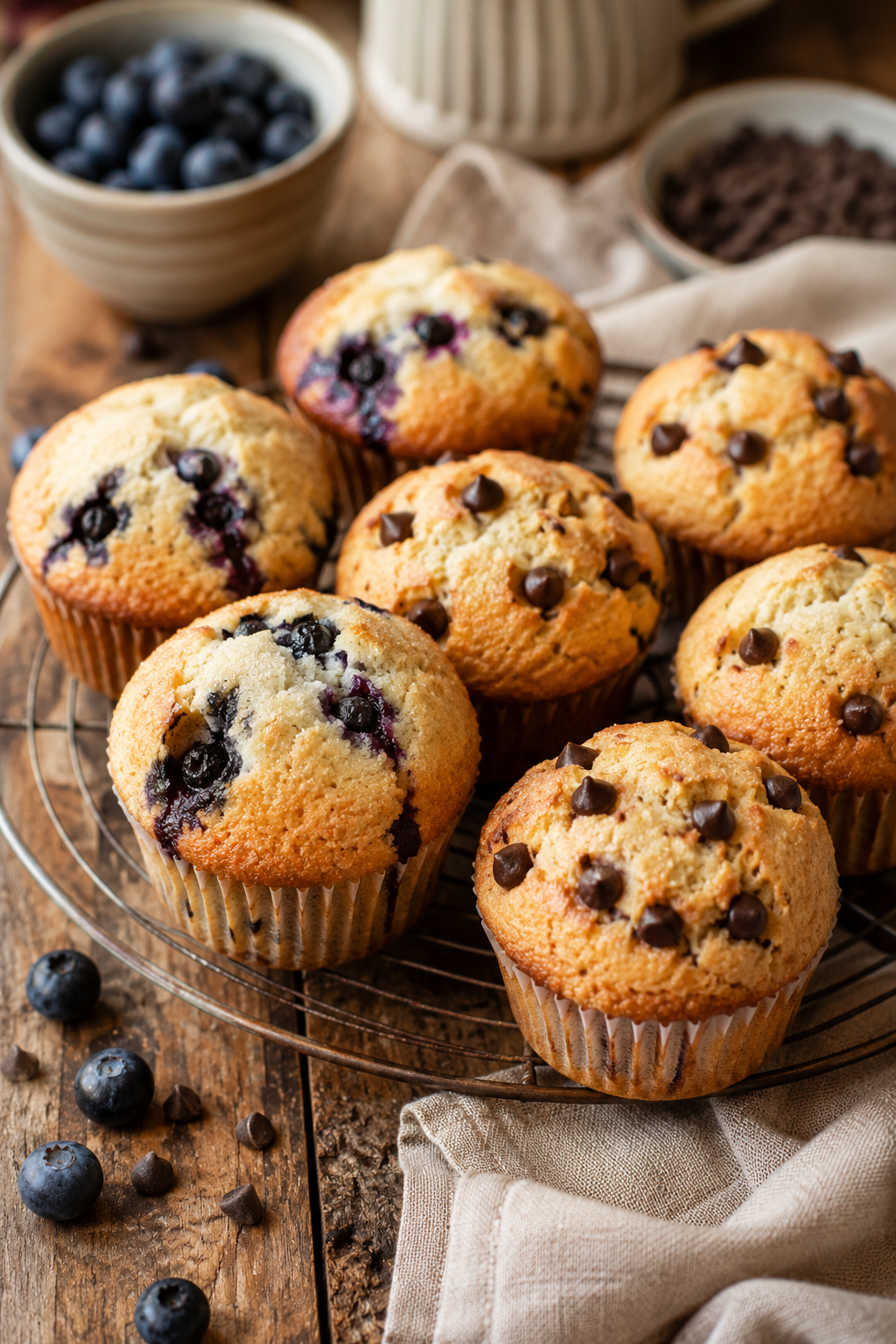

So you want muffins, but not the sad, dry kind that crumble like a bad life choice. Excellent. These gluten free muffins are soft, fluffy, easy to tweak, and suspiciously easy to eat three at a time. They come together in one bowl, don’t ask much of you, and still manage to look like you have your life together.
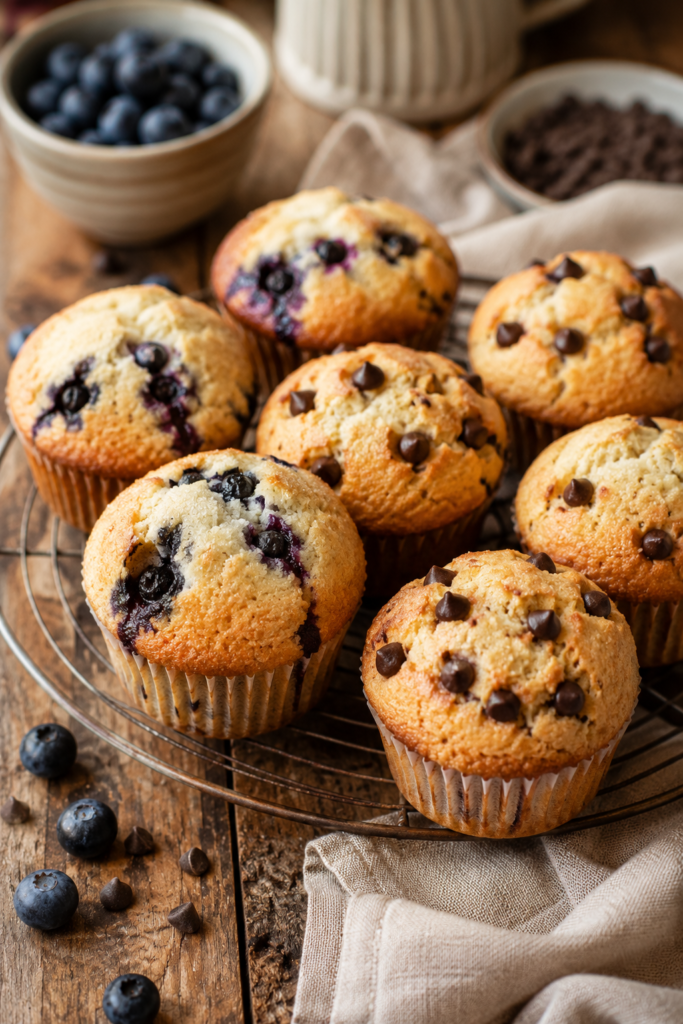
They’re also wonderfully flexible. Blueberries? Great. Chocolate chips? Obviously. Lemon zest? Fancy, but in a low-effort way. If your goal is maximum reward for minimum kitchen drama, you’re in the right place.
| Quick recipe snapshot | Details |
|---|---|
| Prep time | 10 minutes |
| Bake time | 20 to 22 minutes |
| Yield | 12 muffins |
| Texture | Soft centers, lightly golden tops |
| Best add-ins | Blueberries, chocolate chips, chopped nuts |
Why This Gluten Free Muffin Recipe Is Awesome
A lot of gluten free baking has one fatal flaw: the texture. Too gritty, too dense, too dry, too “well, it tastes healthy.” These muffins avoid all that nonsense. They stay tender thanks to a simple combo of gluten free flour, a little almond flour, and applesauce for moisture.
They’re also beginner-friendly, which is always a win. No stand mixer, no weird technique, no ingredient that requires a special trip to a mystical baking cave. You whisk, stir, scoop, bake, and suddenly your kitchen smells like competence.
The best part? The base recipe is neutral enough to handle sweet add-ins without getting weird. That means you can make one batch for breakfast people, snack people, and the person who insists muffins are “basically cake.” They are not wrong.
Ingredients You’ll Need for Gluten Free Muffins
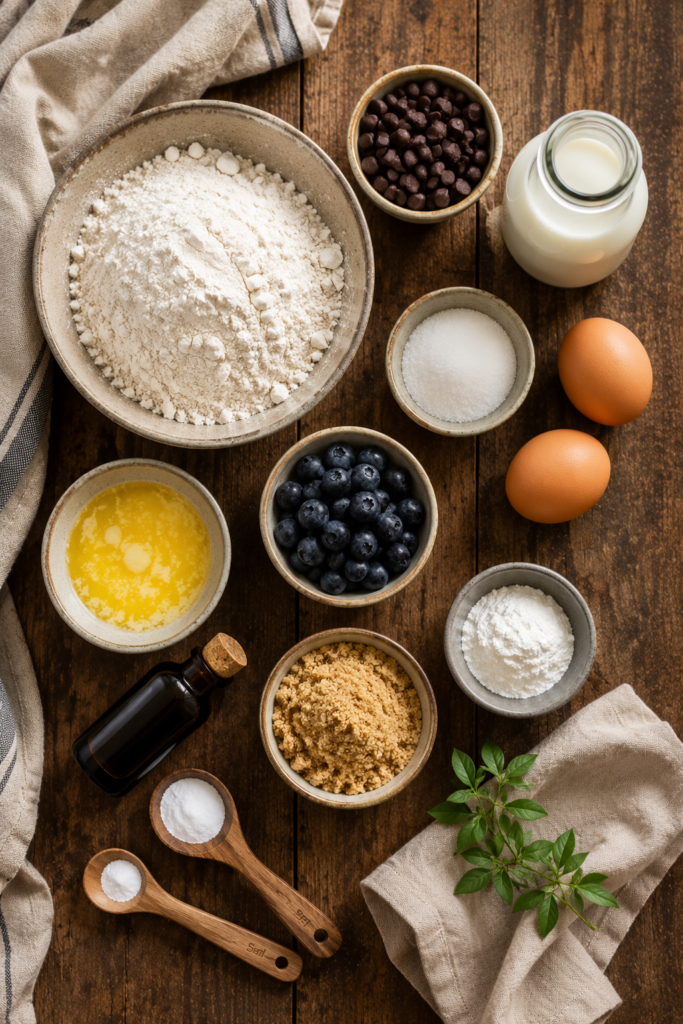
You only need a handful of pantry basics and one muffin pan. A liner is helpful, but if you grease the pan well, you can skip it and feel rebellious.
- 2 cups gluten free all-purpose flour blend, preferably one with xanthan gum
- 1/2 cup almond flour
- 3/4 cup granulated sugar
- 2 teaspoons baking powder
- 1/2 teaspoon baking soda
- 1/2 teaspoon fine salt
- 1 cup unsweetened plant milk
- 1/3 cup neutral oil
- 1/3 cup unsweetened applesauce
- 1 tablespoon apple cider vinegar
- 2 teaspoons vanilla extract
- 1 cup blueberries or chocolate chips
If your flour blend does not include xanthan gum, add about 1/2 teaspoon. Gluten free batter needs a little backup, and frankly, same.
Step-by-Step Instructions for Gluten Free Muffins
This is a very forgiving recipe, but a few small moves make a big difference. Do not skip preheating the oven, unless your hobby is baking uneven muffins and asking “why did this happen?”
Preheat your oven to 375°F and line a 12-cup muffin tin or grease it well. Get that done first so the batter doesn’t sit around waiting and judging you.
In a large bowl, whisk together the gluten free flour, almond flour, sugar, baking powder, baking soda, and salt. Break up any lumps now, because dry pockets in muffin batter are rude.
Add the plant milk, oil, applesauce, vinegar, and vanilla. Stir just until combined. The batter should look thick, smooth, and scoopable, not runny like pancake batter.
Fold in your blueberries or chocolate chips. Be gentle here. You’re mixing muffin batter, not training for an upper-body challenge.
Let the batter rest for 10 minutes. This is a big deal with gluten free baking. It gives the flour time to hydrate, which helps the muffins bake up softer and less crumbly.
Divide the batter evenly among the muffin cups, filling each about 3/4 full. If you want prettier muffin tops, sprinkle a few extra berries or chips on top before baking.
Bake for 20 to 22 minutes, until the tops are lightly golden and a toothpick comes out mostly clean. A few moist crumbs are perfect. Wet batter is not.
Cool in the pan for 5 minutes, then move the muffins to a rack. Or a plate. Or directly into your hand after a dramatic “just testing one” speech.
Common Mistakes to Avoid with Gluten Free Muffins
Gluten free muffins are easy, but they still have opinions. If you avoid these classic slip-ups, your batch will come out fluffy instead of frustrating.
- Skipping the oven preheat: Rookie move. Muffins need a hot oven right away to rise properly.
- Overmixing the batter: Stir until everything comes together, then stop. You’re making muffins, not cement.
- Using too much liquid: Gluten free batter should be thick. If it pours like soup, something went off the rails.
- Ignoring the batter rest: That 10-minute pause helps the flour absorb moisture and improves texture a lot.
- Baking them forever: Dry gluten free muffins are nobody’s dream breakfast.
FYI, slightly underbaked is better than overbaked here. Residual heat keeps working after the pan leaves the oven.
Alternatives and Substitutions for Gluten Free Muffins
This recipe is flexible enough to handle swaps without throwing a tantrum. That said, not every substitute behaves nicely, so here’s the quick version.
| If you want to swap… | Use this instead | What to expect |
|---|---|---|
| Almond flour | Oat flour | Slightly heartier texture |
| Applesauce | Mashed banana | Sweeter flavor, softer crumb |
| Plant milk | Any unsweetened milk | Very similar results |
| Blueberries | Raspberries or diced strawberries | Juicier muffins, a bit softer |
| Chocolate chips | Chopped walnuts or pecans | Less sweet, more crunch |
| Sugar | Coconut sugar | Darker color, mild caramel flavor |
A few extra notes, because substitutions can get chaotic fast:
- For a lemon version: Add 1 tablespoon lemon zest and use blueberries if you want a bakery-style vibe.
- For a banana version: Swap the applesauce for mashed banana and cut the sugar slightly if your bananas are very ripe.
- For a nut-free batch: Skip the almond flour and use more gluten free flour, but expect a slightly less tender texture.
IMO, blueberries are the best all-around choice. Chocolate chips are a very close second, especially if breakfast is feeling emotionally complicated.
Gluten Free Muffins FAQ
Can I make these gluten free muffins without almond flour?
Yes, absolutely. Replace it with more gluten free flour or oat flour. The texture will be a little less soft, but still very good, and nobody will file a complaint.
Can I use frozen blueberries in these gluten free muffins?
Yep. Don’t thaw them first or they’ll bleed into the batter like tiny dramatic fruit bombs. Toss them in a little flour if you want to limit streaking.
Why are my gluten free muffins dry?
Usually it’s one of three things: too much flour, too much baking time, or not enough moisture. Measure carefully, check them early, and remember that gluten free baked goods go from perfect to cardboard faster than seems fair.
Can I make these gluten free muffins vegan?
They already are, which feels efficient. Plant milk, oil, and applesauce do the heavy lifting here without making the texture weird.
Can I reduce the sugar in these gluten free muffins?
Yes, a bit. You can drop it to 1/2 cup and still get a solid muffin, especially if you’re using sweet add-ins like chocolate chips or ripe fruit. Go much lower and the texture starts to lose some charm.
Do I need muffin liners for these gluten free muffins?
No, but they help. Gluten free baked goods can stick more than you’d expect, so grease the pan well if you skip liners. Trust me, scraping half a muffin out of the pan is not a glamorous moment.
How to Store Gluten Free Muffins and Keep Them Soft
Once the muffins are fully cool, store them in an airtight container at room temperature for up to 2 days, or in the fridge for up to 5 days. If you stack them, place a paper towel in the container to catch extra moisture. That little trick helps prevent sticky tops, which are not tragic, but are mildly annoying.
For longer storage, freeze them. Wrap each muffin or place them in a freezer-safe container, then thaw at room temperature or warm one in the microwave for 15 to 20 seconds. Warm muffin, coffee, minimal effort, solid day.
If you want to make these on repeat, which is a very smart move, keep the dry ingredients pre-mixed in a jar. Then when the craving hits, you’re already halfway there. Go make a batch and enjoy the deeply satisfying moment when gluten free baking actually turns out fluffy on purpose.
