


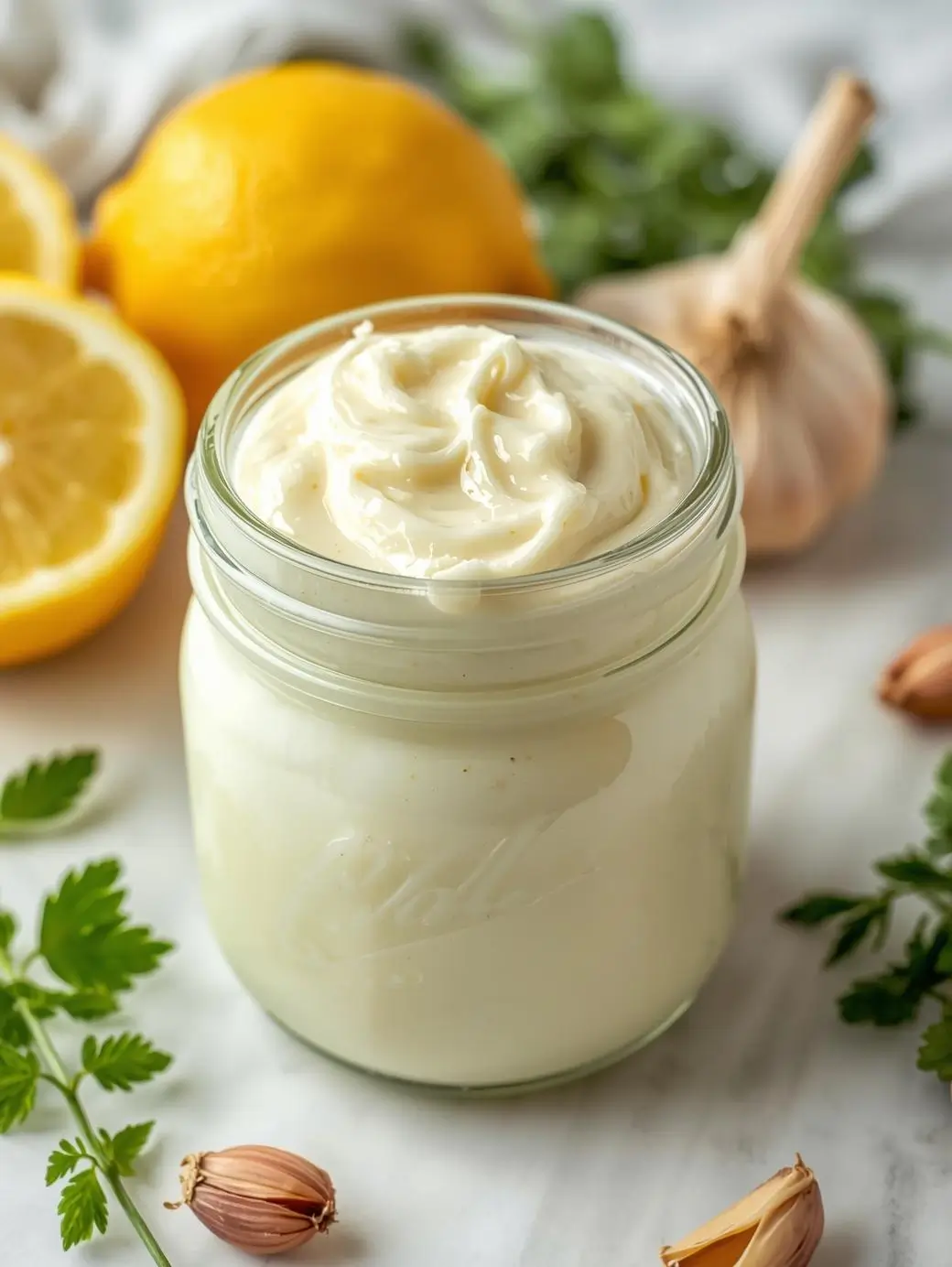
Want a creamy spread without eggs? Try this vegan mayonnaise recipe made with simple ingredients for a smooth, delicious, dairy free alternative. Learn how.
Are you searching for a tasty and simple mayonnaise alternative? Vegan mayonnaise is now more popular, and it’s easy to see why. It’s perfect for those who follow a vegan diet or have dietary restrictions. Plus, it’s easy to whip up at home.

Making vegan mayonnaise is quite simple. You only need a few ingredients and follow 5 easy steps. This recipe lets you enjoy your favorite dishes without losing flavor or texture. It’s a must-have for both seasoned vegans and those new to vegan cooking.
Key Takeaways
- Easy to make at home in 5 simple steps
- Great alternative for those with dietary restrictions
- Requires just a few ingredients
- Perfect for vegans and non-vegans alike
- Delicious and versatile condiment
The Rise of Plant-Based Condiments
There’s been a big change towards plant-based condiments in recent years. This is due to people wanting to eat healthier and be kinder to the planet. More and more people are looking for vegan alternatives to traditional condiments.

This trend is not just about avoiding animal products. It’s also about making products that are good for the planet and our health. Vegan mayonnaise, for example, is becoming very popular.
Why Traditional Mayonnaise Isn’t Vegan
Traditional mayonnaise is made with egg yolks, oil, vinegar or lemon juice, and seasonings. The egg yolks make it non-vegan. Eggs come from animals, which is not okay for a vegan diet.
Vegan consumers are looking for alternatives that taste good and are better for them. This need has led to new, egg-free mayonnaise options.
The Evolution of Egg-Free Alternatives
Vegan mayonnaise has come a long way. At first, it was made with aquafaba or soy milk to replace eggs. Now, people use flaxseed, chia seeds, and vegan egg substitutes to make it even better.
Innovation continues as new ingredients and technologies come along. This makes vegan mayonnaise more fun and accessible for everyone. The growth of egg-free alternatives shows how creative and flexible the food industry can be.
Benefits of Homemade Vegan Mayonnaise
Homemade vegan mayonnaise offers many benefits, including health and cost savings. By making it yourself, you can pick the ingredients. This ensures they fit your dietary needs and tastes.
Health Advantages
Homemade vegan mayonnaise lets you skip unhealthy additives found in store-bought versions. You can use heart-healthy oils like olive or avocado oil. These oils are full of good fats.
Also, making it at home means you can cut down on sodium and avoid preservatives. This makes it a better choice for sandwiches, salads, and dips.

| Health Benefit | Homemade Vegan Mayonnaise | Store-Bought Mayonnaise |
|---|---|---|
| Preservatives | No added preservatives | Often contains preservatives |
| Sodium Content | Controllable sodium levels | High sodium content |
| Oil Quality | Can use heart-healthy oils | May contain unhealthy oils |
Cost Effectiveness
Making vegan mayonnaise at home saves money. Buying ingredients in bulk lowers the cost per serving. You can make just what you need, reducing waste.
Plus, the basic ingredients like plant-based milks, oils, and vinegar are often cheaper. This makes it a budget-friendly alternative without sacrificing taste or quality.
Essential Ingredients for Your Vegan Mayonnaise Recipe
The key to a great vegan mayonnaise recipe is its ingredients. They are simple yet vital for its taste and texture. Knowing the roles of each ingredient is key to making a creamy mayonnaise.
Base Ingredients
The base ingredients are what make vegan mayonnaise creamy and structured. They include:
- Plant-based milk or other non-dairy liquid: This is the base that makes the mayonnaise creamy.
- Vegan egg replacers: Aquafaba, flaxseed, or chia seeds mixed with water act like eggs.
- Neutral-tasting oils: Oils like canola, grapeseed, or sunflower oil make the mayonnaise rich and creamy.
- Acidic ingredients: Lemon juice or vinegar stabilize the emulsion and add tanginess.
Together, these ingredients create a smooth texture. You can choose non-dairy milk and egg replacers based on what you like and need.
Flavor Enhancers
Flavor enhancers add depth and complexity to vegan mayonnaise. They include:
- Mustard: It adds a tangy flavor and helps mix the ingredients.
- Garlic: It adds a savory taste that goes well with many dishes.
- Herbs and spices: They can change the flavor from classic to unique.
- Salt: It enhances the flavor and balances the ingredients.
Changing the amount and type of flavor enhancers lets you customize your mayonnaise. Trying different combinations can create new and tasty flavors.
Ingredient Substitutions and Alternatives
It’s easy to change your vegan mayonnaise recipe for different diets. You can swap out ingredients for soy allergies or new tastes. Knowing your options is key.
Soy-Free Options
If you can’t have soy, there are great alternatives. Try almond milk or cashew cream in your vegan mayo. They avoid soy and bring new flavors. Make sure to pick unsweetened and unflavored nuts for the right taste.
Oil Alternatives
The oil in vegan mayonnaise changes its taste and feel. Avocado oil is a top pick because it tastes mild and works well for mixing. Olive oil adds a strong flavor but might change the mayo’s texture. Try different oils to find your favorite.
With ingredient swaps, you can make vegan mayonnaise for any diet or taste. It becomes a great condiment for any time.
Equipment You’ll Need
To make the perfect vegan mayonnaise, you need the right tools. The quality and type of equipment greatly affect the texture and consistency of your mayonnaise.
Blenders vs. Food Processors
Both blenders and food processors work well for vegan mayonnaise. But, they have their own benefits. Blenders are great at handling liquids and making a smooth texture. Food processors give you more control and can handle thicker mixtures.
| Feature | Blenders | Food Processors |
|---|---|---|
| Liquid Handling | Excellent | Good |
| Texture Control | Good | Excellent |
| Ease of Use | Easy | Moderate |
Hand Tools and Measuring Equipment
You’ll also need hand tools and measuring equipment. A whisk for mixing, measuring cups and spoons for measuring, and a spatula for scraping the sides of your blender or food processor.
Choosing the right equipment and using it correctly will help your vegan mayonnaise be creamy and delicious.
Preparation Before Making Vegan Mayonnaise
Before starting the vegan mayonnaise recipe, it’s important to know the preparation steps. These steps are key to getting the right consistency and flavor.
Ingredient Temperature Considerations
Ensuring your ingredients are at the right temperature is critical. Ingredients like aquafaba or non-dairy milk should be at room temperature. This helps in achieving a better emulsion. Take the ingredients out of the refrigerator about 30 minutes before you start. Cold ingredients can cause the mayonnaise to separate or become too thin.
Workspace Setup
Having a clean and organized workspace is essential for making vegan mayonnaise. Gather all your ingredients and equipment before starting. This includes measuring cups, spoons, a blender or food processor, and any other tools you might need. A clutter-free workspace reduces mistakes and makes the process more enjoyable.
By following these preparation tips, you’ll be on your way to making a delicious vegan mayonnaise. It will be both healthy and tasty.
Step 1: Combining the Base Ingredients
The first step in making vegan mayonnaise is combining the base ingredients. These include plant-based milk, vinegar or lemon juice, and seasonings. It’s important to pick the right ingredients for the best taste and texture.
Measuring Tips for Perfect Consistency
Getting the measurements right is key to making great vegan mayonnaise. Use a digital scale to measure by weight, not volume. For example, 1 cup of plant-based milk is about 240 grams.
Choose a high-quality oil with a neutral taste for the best results. The oil to milk ratio is important. A common mix is 3 parts oil to 1 part milk. You can adjust this to get the right consistency.
Initial Blending Technique
The way you blend the ingredients at first is important. Start by mixing the non-oil ingredients like plant-based milk, vinegar or lemon juice, and seasonings. Blend until they’re smooth and well combined.
Blend at a low speed first and then increase it. This helps mix the ingredients well. It makes it easier to get a smooth emulsion when you add the oil.
By following these tips, you’ll be on your way to making delicious vegan mayonnaise.
Step 2: The Emulsification Process
Emulsification is key to making vegan mayonnaise. It mixes separate ingredients into a single sauce. This process combines liquids that usually don’t mix, like oil and water, into a smooth texture.
The Science Behind Emulsification
Emulsification happens when you mix oil and water with an emulsifier. In regular mayonnaise, egg yolks are the emulsifier. Vegan mayonnaise uses aquafaba or vegan egg replacers instead.
The emulsifier coats oil droplets, keeping them in the water-based mix. This creates a smooth, creamy texture. The blending process reduces the tension between the liquids, making them mix well.
Achieving the Perfect Texture
Getting the right texture in vegan mayonnaise takes patience and skill. Start by slowly adding oil to the base ingredients while blending. This slow addition helps the emulsifier coat the oil droplets well.
As you blend, the mix will thicken and get creamier. This shows the emulsification is working. If it doesn’t thicken, try blending slower or longer. Adjusting the blending speed can help.
Mastering emulsification lets you make vegan mayonnaise as good as the traditional kind. Try different emulsifiers and techniques to find your favorite.
Step 3: Adding Oil at the Right Pace
To get the right consistency, adding oil slowly is key. This step is vital for making vegan mayonnaise. It affects the texture and quality of the mayonnaise.
The Slow-Pour Method
The slow-pour method helps mix oil into the base ingredients slowly. You slowly add oil while blending. This method prevents the mixture from breaking and makes the mayonnaise smooth and creamy.
To use the slow-pour method well, follow these steps:
- Start by adding a small amount of oil to the base ingredients and blend until fully incorporated.
- Gradually increase the flow of oil while continuing to blend.
- Monitor the consistency of the mayonnaise and adjust the oil flow as needed.
Signs Your Mayonnaise Is Developing Correctly
When adding oil slowly, watch for certain signs. These signs show your mayonnaise is coming along right. Look for:
| Sign | Description |
|---|---|
| Thickening | The mixture will start to thicken and emulsify. |
| Color Change | The mixture will lighten in color and become more creamy. |
| Sound Change | The blending sound will change, indicating that the mayonnaise has reached the desired consistency. |
By noticing these signs, you can adjust the oil and blending time. This helps you make the perfect vegan mayonnaise.
Step 4: Flavor Adjustments and Seasonings
Flavor adjustments are key to making your vegan mayonnaise amazing. You’ve already mixed it well, getting the right consistency. Now, it’s time to tweak the taste to your liking.
Balancing Acidity and Saltiness
Getting the right balance of acidity and saltiness is important. You can add a bit of fresh lemon juice or vinegar for acidity. For saltiness, try a pinch of sea salt or nutritional yeast. The goal is to find a balance that goes well with your dishes.
| Ingredient | Purpose | Example |
|---|---|---|
| Acidity Regulator | Balances Flavor | Lemon Juice, Vinegar |
| Salt Enhancer | Adds Depth | Sea Salt, Nutritional Yeast |
Herb and Spice Additions
Herbs and spices can change your vegan mayonnaise into many flavors. Try adding minced garlic for a savory taste or fresh herbs like parsley or dill for a fresh twist. For a spicy touch, add cayenne pepper or red pepper flakes. You can choose based on your taste or the dish you’re making.
Try different mixes to find unique tastes. Remember, balance is key. Start with a little and taste as you go, adjusting until it’s just right.
Step 5: Final Blending and Consistency Check
Getting close to finishing your vegan mayonnaise? The final blending and checking consistency are key. They make sure all ingredients mix well and the mayonnaise is just right.
Troubleshooting Texture Issues
Is your mayonnaise too thin? This might happen if it didn’t emulsify well or if the ingredients were off balance. First, check if the ingredients were at room temperature. This can really help with mixing.
On the other hand, if your mayonnaise is too thick, it’s hard to spread or use. This could be from blending too much or adding oil too fast. Fixing it needs a gentle touch to avoid making it worse.
Thickening and Thinning Techniques
To make your mayonnaise thicker, add a bit of oil slowly while blending. Do this carefully to avoid making it too thick. To thin it out, add a little water or lemon juice and blend gently.
When adjusting, do it slowly and check often. This careful method helps your vegan mayonnaise turn out great. It’s ready for your favorite dishes.
Mastering the final blending and checking consistency lets you make vegan mayonnaise that’s as good as store-bought. Plus, you can make it just how you like it.
Creative Variations of the Basic Vegan Mayonnaise Recipe
Take your vegan mayonnaise to the next level with these innovative and delicious twists. Once you have mastered the basic recipe, you can experiment with various flavors. This will help you create unique condiments that elevate your dishes.
Garlic Aioli and Herb Infusions
One of the most popular variations is garlic aioli. It’s made by blending minced garlic into your vegan mayonnaise. This adds a rich, savory flavor perfect for dipping or as a sandwich spread.
You can also infuse your mayonnaise with fresh or dried herbs like basil, dill, or tarragon. This creates a refreshing twist on the classic recipe.
To make an herb-infused mayonnaise, simply chop your chosen herbs finely and mix them into the mayonnaise. Let it sit for at least 30 minutes to allow the flavors to meld together. Some popular herb combinations include:
- Fresh basil and lemon juice for a bright, summery flavor
- Dill and chives for a tangy, oniony taste
- Tarragon and parsley for a sophisticated, slightly bitter flavor
Spicy and International Flavor Profiles
If you like a bit of heat, you can add spicy elements to your vegan mayonnaise. Mixing in sriracha, hot sauce, or diced jalapeños can give your mayonnaise a spicy kick. For international flavors, try adding ingredients like:
- Smoked paprika and garlic for a Spanish-inspired flavor
- Wasabi and soy sauce for a Japanese-style mayo
- Chipotle peppers in adobo sauce for a smoky, Mexican flavor
These variations can add a new dimension to your vegan mayonnaise. It makes it suitable for a wide range of dishes, from sandwiches and salads to dips and sauces.
Delicious Ways to Use Your Homemade Vegan Mayonnaise
Now that you’ve made your own vegan mayonnaise, it’s time to explore its many uses. Your homemade vegan mayonnaise can change the game in various recipes. It adds creaminess and flavor to dishes you never thought possible.
Sandwiches and Wraps
Vegan mayonnaise is great on sandwiches and wraps. It adds a rich and tangy flavor. Use it as a spread on veggie sandwiches or in vegan versions of classic sandwiches like the BLT or chicken salad.
Some popular sandwich ideas include:
- Veggie Delight: Layered with avocado, lettuce, and tomato
- Vegan Chicken Salad: Made with chickpeas or tofu, mixed with vegan mayonnaise, and served on whole grain bread
- Grilled Veggie Wrap: Spread with vegan mayonnaise, filled with grilled vegetables, and wrapped in a whole wheat tortilla
| Sandwich Idea | Main Ingredients | Flavor Profile |
|---|---|---|
| Veggie Delight | Avocado, Lettuce, Tomato | Fresh and Creamy |
| Vegan Chicken Salad | Chickpeas, Tofu, Vegan Mayonnaise | Tangy and Savory |
| Grilled Veggie Wrap | Grilled Vegetables, Vegan Mayonnaise | Smoky and Rich |
Dressings, Dips, and Sauces
Vegan mayonnaise is also great for dressings, dips, and sauces. Mix it with herbs and spices for a delicious salad dressing. Blend it with lemon juice and garlic for a tasty dip.
Some ideas include:
- Ranch Dressing: Mixed with dried herbs and spices
- Garlic Aioli: Blended with lemon juice and garlic
- Tartar Sauce: Combined with chopped pickles and lemon juice
By using your homemade vegan mayonnaise in these recipes, you’ll enhance flavor. You’ll also enjoy the benefits of a cruelty-free and healthier alternative to traditional mayonnaise.
Homemade vs. Store-Bought Vegan Mayonnaise
Vegan mayonnaise is becoming more popular. People wonder if they should make it themselves or buy it. This choice depends on taste, texture, ingredient quality, and cost.
Taste and Texture Comparison
Homemade vegan mayonnaise lets you create a fresh and customizable taste. You can change the seasoning and ingredients to your liking. Store-bought vegan mayonnaise tastes the same every time but might not be as personal.
Homemade mayonnaise is usually creamier. This is because you can control how well the ingredients mix together.
Ingredient Quality and Cost Analysis
Homemade vegan mayonnaise lets you pick high-quality, non-GMO, and organic ingredients. This makes it a healthier choice. Store-bought versions might have preservatives and less good ingredients.
Making your own vegan mayonnaise can save money in the long run. The basic ingredients are often things you already have. But, you might need to buy a blender or food processor first.
Choosing between homemade and store-bought vegan mayonnaise depends on what you value most. Think about taste, texture, ingredient quality, and cost. This will help you decide what’s best for you.
Storage and Shelf Life of Your Vegan Mayonnaise
Keeping your homemade vegan mayonnaise fresh is important. The right storage keeps it good and safe to eat.
Refrigeration Guidelines
Put your vegan mayonnaise in a tight container. This stops air and germs from getting in. Keep it cold in the fridge, below 40°F (4°C). Always use a clean utensil when scooping out mayonnaise to prevent introducing bacteria into the container.
- Store in an airtight container.
- Keep refrigerated at or below 40°F (4°C).
- Use clean utensils to avoid contamination.
Signs of Spoilage
Vegan mayonnaise can spoil, even if stored right. Watch for bad smells, slimy feel, or mold. If you see these, throw it away. Trust your senses; if it looks, smells, or tastes wrong, it’s safer to discard it.
By following these tips and watching for spoilage signs, you can enjoy your vegan mayonnaise longer. It stays fresh and safe to eat.
Conclusion
Making vegan mayonnaise at home is easy. You only need a few ingredients and basic kitchen tools. Follow the steps in this article to enjoy a tasty, egg-free version of this classic condiment.
The vegan mayonnaise recipe here is versatile. You can change it to fit different tastes and diets. Whether you want a soy-free version or something spicy, homemade vegan mayonnaise is very flexible.
After making mayonnaise, try other vegan recipes. Plant-based cooking is vast and fun. There’s always something new to try.
In conclusion, making vegan mayonnaise is both simple and rewarding. This easy recipe lets you add richness to your vegan dishes. You can enjoy mayonnaise’s creamy texture without giving up your dietary choices.
FAQ
What is vegan mayonnaise?
Vegan mayonnaise is a plant-based version of traditional mayonnaise. It doesn’t have eggs or any animal products.
How do I make vegan mayonnaise?
To make vegan mayonnaise, you need a few ingredients. These include a neutral oil, non-dairy milk, and a thickener. Blend these together in a blender or food processor.
What can I use vegan mayonnaise for?
Vegan mayonnaise is great for many dishes. You can use it in sandwiches, salads, dips, and sauces.
Can I customize the flavor of my vegan mayonnaise?
Yes, you can change the flavor of your vegan mayonnaise. Add different seasonings, herbs, or spices to match your taste.
How long does homemade vegan mayonnaise last?
Homemade vegan mayonnaise stays good for up to a week. Just keep it in the fridge.
Can I make vegan mayonnaise without a blender or food processor?
Yes, you can make vegan mayonnaise without a blender. Use a whisk and some effort to mix the ingredients.
What are some common issues with making vegan mayonnaise, and how can I troubleshoot them?
Issues like separation or thinness can happen. To fix these, adjust the ingredient ratio or blend it again.
Is vegan mayonnaise healthier than traditional mayonnaise?
Vegan mayonnaise might be healthier. It often has less cholesterol and saturated fat. Plus, it’s made with natural ingredients.
Can I use different types of oil to make vegan mayonnaise?
Yes, you can choose from oils like olive, avocado, or grapeseed. Pick one based on your taste and desired flavor.
How do I store vegan mayonnaise?
Keep vegan mayonnaise in an airtight container in the fridge. This helps it stay fresh and safe.
