


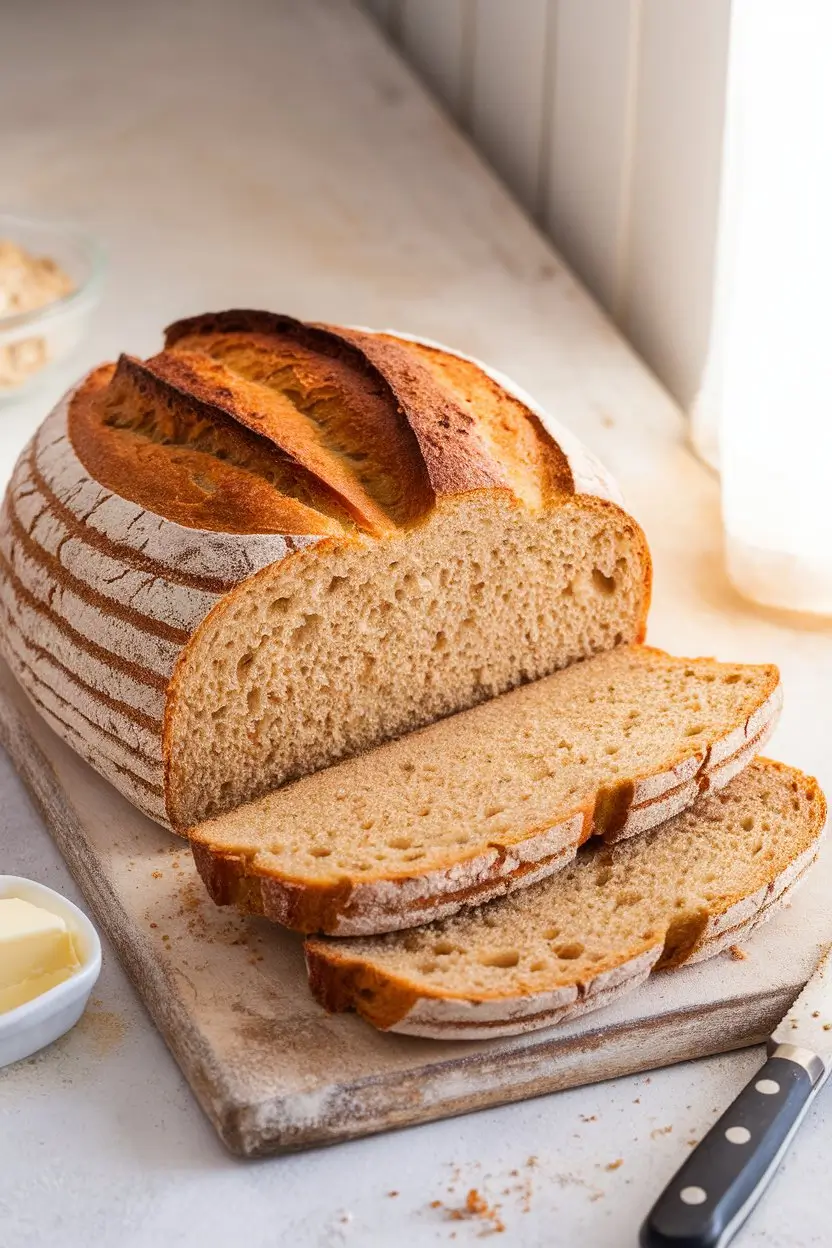
Baking gluten-free bread can be tough, but with the right tips, you can make delicious bread. Many people find it hard to get the taste and texture right when they switch to gluten-free.

But, with a few simple tips, you can make gluten-free bread that’s just as good as regular bread. This article will show you 7 easy baking tips to start your gluten-free baking journey.
Key Takeaways
- Understand the basics of gluten-free flours
- Choose the right gluten-free flour blend
- Don’t overmix your dough
- Use the right leavening agents
- Monitor your oven temperature
- Be patient and experiment with different recipes
The World of Gluten Free Bread: What You Need to Know
Gluten-free bread baking is more than a trend. It’s a way to make sure everyone can enjoy fresh bread, no matter their diet. Starting out in gluten-free baking can be both fun and scary, but it’s worth it.

Why People Choose Gluten Free Baking
Many people bake gluten-free because they have to, due to celiac disease or gluten sensitivity. Others do it because they think it’s healthier. Gluten-free baking is getting more popular, with more people looking for recipes and products.
There are many reasons to bake gluten-free. These include:
- Medical conditions like celiac disease or non-celiac gluten sensitivity
- Lifestyle choices or preferences for a gluten-free diet
- Perceived health benefits associated with reducing gluten intake
Knowing why people bake gluten-free helps us see its importance in cooking today.
The Science Behind Successful Gluten Free Bread
Gluten-free bread works because of the science behind it. Gluten, found in wheat, barley, and rye, makes regular bread stretchy and strong. In gluten-free baking, we use xanthan gum, guar gum, or psyllium husk to get similar results.
The table below shows some common gluten substitutes and what they do:
| Gluten Substitute | Function |
|---|---|
| Xanthan Gum | Improves texture and structure |
| Guar Gum | Enhances dough elasticity |
| Psyllium Husk | Provides structure and fiber |
By knowing how to use these substitutes, bakers can make gluten-free bread that tastes great and feels right.
Why Baking Gluten Free Bread Is Challenging
Baking gluten-free bread can be tough for many home bakers. It’s different from traditional bread because it doesn’t have gluten. Gluten-free bread needs special ingredients to get the right texture and structure.

Common Frustrations and Failures
Many bakers get frustrated when their gluten-free bread is dense, dry, or crumbly. Issues like not rising enough, being too gummy, or spreading too much happen. These problems usually come from wrong liquid to flour ratios, not mixing enough, or using the wrong flours.
To beat these challenges, knowing how different ingredients work is key. Ingredients like xanthan gum or guar gum can help with texture. Getting the right mix of ingredients and using the right techniques can make gluten-free bread much better.
Setting Realistic Expectations
It’s important to set realistic goals when baking gluten-free bread. Your first loaf might not be perfect, but with time and effort, you can get great results. Knowing that gluten-free bread is different from regular bread helps manage your expectations.
By facing the challenges and being open to trying new things, bakers can get better. With the right mindset, anyone can make delicious gluten-free bread.
Essential Equipment for Baking Perfect Gluten Free Bread
Baking perfect gluten-free bread needs more than just the right ingredients. You also need the right equipment. The right tools and appliances can make your gluten-free bread better. They make baking more efficient and fun.
Must-Have Tools and Appliances
To bake gluten-free bread, you need some basic tools. A mixing bowl is essential, and it should be big enough for all your ingredients. A whisk helps mix dry ingredients well. A rubber spatula is great for scraping the bowl and mixing ingredients.
A digital kitchen scale is also a must-have. It’s important to measure ingredients accurately in gluten-free baking. This ensures your bread turns out right in texture and taste.
Optional Equipment That Makes a Difference
While basic tools are necessary, some optional equipment can make a big difference. A stand mixer is one such item. It can save you time and effort, which is helpful when mixing dense gluten-free dough.
Digital Kitchen Scale Benefits
A digital kitchen scale is precise, which is key in gluten-free baking. It lets you measure ingredients by weight, not volume. This precision helps your bread taste and feel better.
Stand Mixers vs. Hand Mixing
Using a stand mixer can change the game for gluten-free bread baking. It mixes and kneads the dough well, saving time and effort. But, hand mixing can also work great if you’re up for the challenge. Your choice depends on what you prefer and the recipe you’re using.
In conclusion, the right equipment is key to baking perfect gluten-free bread. By getting the must-have tools and considering optional ones, you can make your bread better. And you’ll enjoy baking more.
Tip 1: Choose the Right Gluten Free Flour Blend
The key to great gluten-free bread is picking the right flour blend. Gluten-free baking can be tricky, but the right ingredients make it possible to get tasty results.
Store-Bought vs. Homemade Flour Blends
Bakers have two main choices for gluten-free flour blends: store-bought or homemade. Store-bought blends are easy and save time, as they’re pre-mixed and ready for use. But, they might cost more and have additives.
Homemade blends let you tailor the mix to your liking. They’re often cheaper and don’t have additives. Making your own blend means experimenting to find the perfect mix.
It’s about mixing different flours and starches like rice, almond, coconut, and tapioca. Understanding how they work together is key.
Best Flour Combinations for Different Bread Types
The flour blend you pick greatly affects your bread’s texture, taste, and success. Each bread type needs a specific mix of flours.
Artisan Bread Flour Blends
Artisan bread does well with a mix of rice, potato starch, and tapioca flour. Adding a bit of almond flour improves taste and texture. This mix balances structure and crumb.
Sandwich Bread Flour Blends
Sandwich bread needs a different mix, with more starches like tapioca and potato for softness. A blend of white rice, tapioca, and potato starch, with some coconut flour for moisture, makes a soft sandwich loaf.
By learning about gluten-free flours and trying different mixes, you can create the perfect blend for your favorite bread.
Tip 2: Master the Art of Xanthan Gum and Binders
To make gluten-free bread that tastes great and holds together, knowing about xanthan gum and binders is key. Gluten-free baking needs extra ingredients to replace gluten’s binding power. Xanthan gum is a top choice for this.
How Much Xanthan Gum to Use
Xanthan gum thickens food well because it’s made from fermented sugars. Getting the right amount of xanthan gum is important. Too little, and the bread won’t stick together well. Too much, and it might feel slimy or too heavy.
Start with 0.25% to 0.5% xanthan gum of the flour’s total weight. For 500 grams of flour, add 1.25 to 2.5 grams of xanthan gum.
Alternative Binders for Gluten Free Bread
While xanthan gum is popular, other binders work well too. Knowing these options can help you get the right texture and structure in your bread.
Psyllium Husk: The Secret Weapon
Psyllium husk is a fiber that absorbs water and swells, creating a gel. This helps ingredients stick together. Use 1-2 tablespoons of psyllium husk per loaf for more structure.
Flax and Chia Seeds as Binders
Flax and chia seeds can also bind ingredients. They make a gel when mixed with water. Use 1 tablespoon of ground flax or chia with 3 tablespoons of water to replace an egg or add binding.
Here’s a comparison of different binders and their effects on gluten-free bread:
| Binder | Effect on Texture | Typical Usage |
|---|---|---|
| Xanthan Gum | Improves structure, can make dense if overused | 0.25% to 0.5% of total flour weight |
| Psyllium Husk | Adds fiber, improves texture, and structure | 1-2 tablespoons per loaf |
| Flax Seeds | Adds nutty flavor, improves binding | 1 tablespoon ground + 3 tablespoons water |
| Chia Seeds | Improves binding, adds nutrition | 1 tablespoon ground + 3 tablespoons water |
Try different binders and amounts to find what works best for you. Whether it’s xanthan gum, psyllium husk, or flax and chia seeds, knowing how to use them is key to a great gluten-free loaf.
Tip 3: Perfect Your Liquid-to-Flour Ratio
Getting the right liquid-to-flour ratio is key for gluten-free bread. This balance affects the bread’s texture, structure, and quality. Gluten-free flours soak up liquid differently than wheat flour, making this ratio very important.
Why Hydration Matters in Gluten Free Bread
Hydration is vital in gluten-free bread. It affects the dough’s consistency and the bread’s texture. Too little liquid makes the loaf dense and dry. Too much makes it sticky and hard to work with.
The right amount of liquid creates a soft crumb and a crust that’s just right.
Here’s a table showing how different liquid-to-flour ratios affect gluten-free bread:
| Liquid-to-Flour Ratio | Bread Texture | Crust Characteristics |
|---|---|---|
| Low (0.5:1) | Dense, dry | Hard, thick |
| Optimal (0.7:1) | Tender, soft | Crisp, golden |
| High (0.9:1) | Sticky, wet | Soft, pale |
Adjusting Recipes for Different Climates and Seasons
Climate and season can change the liquid-to-flour ratio needed. In humid places or seasons, less liquid is better to avoid a wet dough. In dry areas or seasons, more liquid is needed for the right dough.
Knowing these adjustments helps make better gluten-free bread. By adjusting for climate and season, you can get the perfect balance.
Tip 4: Optimize Rising and Proofing Techniques
Getting the right rising and proofing techniques is key for perfect gluten free bread. This is where the dough turns from dense to light and airy. It’s the magic part of making bread.
Creating the Ideal Environment for Yeast
Yeast needs the right conditions to grow well. Make sure your proofing area is warm, between 75°F to 80°F (24°C to 27°C). You can use a proofing box or a warm spot in your kitchen. It’s also important to keep the humidity right; too dry or too wet can mess up the dough.
Tips for creating the ideal environment:
- Use a thermometer to ensure the correct temperature.
- Cover the dough with plastic wrap or a damp cloth to maintain humidity.
- Avoid drafts that can cause uneven proofing.
How to Tell When Your Gluten Free Bread Is Properly Proofed
It can be hard to tell when gluten free bread is proofed right because it’s different from regular bread. But, there are ways to check.
Using Proofing Baskets Effectively
Proofing baskets help make a nice crust and support the dough. Before putting the dough in, lightly flour the basket. This stops the dough from sticking and makes it easier to take out when it’s proofed.
The Poke Test for Gluten Free Dough
The poke test is a simple way to see if your gluten free bread is ready to bake. Just poke the dough with your finger. If it springs back slowly and leaves a small dent, it’s ready. If it springs back fast, it needs more time. If it doesn’t spring back, it’s over-proofed.
Tip 5: Master Baking Temperatures and Times
The secret to making perfect gluten-free bread is mastering baking temperatures and times. Gluten-free dough is different from traditional dough. It needs special baking conditions to get the perfect loaf.
Why Gluten Free Bread Needs Different Baking Conditions
Gluten-free bread needs special baking because it lacks gluten. Gluten gives traditional bread its structure and elasticity. Without it, gluten-free bread can be denser and crumblier.
Adjusting baking temperature and time helps solve these issues. A lower temperature prevents the crust from burning before the inside cooks. A longer baking time ensures the bread is fully cooked.
Finding the right baking temperature is key. A temperature that’s too high can burn the outside before the inside cooks. A temperature that’s too low can result in undercooked or dense bread. The ideal temperature often depends on the gluten-free flour blend used.
Troubleshooting Underbaked or Overbaked Loaves
Gluten-free bread can sometimes be underbaked or overbaked. An underbaked loaf feels soft or gummy in the center. An overbaked loaf is dry and crumbly.
To fix this, check the bread often during baking. If it’s browning too fast, cover it with foil. This prevents over-browning.
If your gluten-free bread keeps coming out wrong, check your oven’s temperature. Use a thermometer for accuracy. Also, the loaf’s size and shape can affect baking time. Adjustments may be needed based on your recipe.
Tip 6: Add Moisture and Texture Enhancers
Getting the right texture and moisture in gluten-free bread is key. It’s all about choosing the right ingredients and how you prepare them. Gluten-free flours can sometimes make bread dry and crumbly. But, with the right ingredients, you can make your bread much better.
Ingredients That Improve Gluten Free Bread Texture
Some ingredients can really change how gluten-free bread feels. They add moisture and make the bread softer and more structured.
The Magic of Apple Cider Vinegar
Apple cider vinegar is a great tool for improving gluten-free bread. It makes the bread stronger and helps it rise better. The vinegar’s acidity works with baking soda to make the bread lighter and fluffier. Just a tablespoon or two is usually enough.
Using Dairy Products for Softer Bread
Dairy like milk, yogurt, or buttermilk can make gluten-free bread softer and more moist. The proteins and fats in these products add to the bread’s tenderness and flavor. For an even softer bread, try using higher-fat dairy or adding an extra egg.
Preventing the Dreaded Dry and Crumbly Texture
To avoid dry and crumbly gluten-free bread, balance your ingredients well. The right mix of liquid and flour is key. Also, choose the right gluten-free flours and add ingredients like applesauce or olive oil to keep it moist.
Learning how to add moisture and texture enhancers can make your gluten-free bread amazing. Try different ingredients to find what works best for you. This way, you can make bread that’s soft, delicious, and fits your dietary needs.
Tip 7: Perfect Your Gluten Free Bread Storage
To enjoy your gluten-free bread at its best, proper storage is key. The right techniques can keep the bread fresh and tasty. This ensures you get the most out of your gluten-free loaf.
Proper Cooling and Cutting Techniques
First, cool your gluten-free bread completely. Use a wire rack to prevent moisture buildup. This helps avoid sogginess.
Once cool, use a serrated knife to cut. This helps prevent crumbling. If you won’t eat it right away, slice it. This makes it easy to grab a slice without thawing the whole loaf.
Freezing and Refreshing Gluten Free Bread
Freezing is a great way to keep your gluten-free bread fresh longer. Wrap the cooled bread in plastic or foil, then a freezer-safe bag. When you’re ready, bake it in a preheated oven at 350°F (175°C).
Wrap the frozen bread in foil and bake for 10-15 minutes. This will refresh it. For sliced bread, toast the slices straight from the freezer for a quick snack.
By following these tips, you can enjoy your gluten-free bread for longer. It stays fresh and delicious.
Troubleshooting Common Gluten Free Bread Problems
Perfecting gluten free bread takes some effort, but it’s doable. Gluten free bread lacks the structure and elasticity of traditional bread. Yet, knowing how to tackle common issues can greatly improve your baking.
Why Your Bread Didn’t Rise
Gluten free bread often struggles to rise. This can happen for a few reasons:
- Insufficient yeast or yeast activity: Make sure you’re using the right amount of yeast and that it’s fresh.
- Inadequate proofing time: Gluten free dough needs longer to rise.
- Incorrect temperature or environment: Yeast works best in a warm, draft-free spot.
To help your bread rise better, try using a preferment or big sponge method. This can boost yeast activity and improve the rise.
Fixing Gummy Centers and Dense Texture
Gummy centers and dense texture are common problems. These can stem from:
- Incorrect liquid-to-flour ratio: Too much liquid can make the bread gummy inside.
- Insufficient mixing: Dough that’s not mixed well can have an uneven texture.
- Overbaking or underbaking: Getting the baking time and temperature just right is key.
To fix these issues, measure ingredients accurately, mix the dough well, and watch the baking time closely. Using a thermometer can help you get the perfect bake.
By tackling these common problems, you can improve your gluten free bread baking. Soon, you’ll be enjoying homemade loaves that are delicious and fresh.
Nutritional Benefits of Homemade Gluten Free Bread
Homemade gluten-free bread is packed with nutritional benefits. You can choose the ingredients to make sure it’s not just gluten-free but also full of good stuff.
Adding Nutrient-Dense Ingredients
One big plus of making gluten-free bread at home is adding healthy ingredients. You can mix in whole grains like quinoa, brown rice, or amaranth. This boosts the fiber and protein.
Also, adding nuts and seeds like almonds, sunflower seeds, or chia seeds is a great idea. They add healthy fats and antioxidants, making your bread even better.
| Ingredient | Nutritional Benefit |
|---|---|
| Quinoa | High in protein and fiber |
| Almonds | Rich in healthy fats and vitamin E |
| Chia Seeds | Packed with omega-3 fatty acids and fiber |
Reducing Additives Found in Store-Bought Options
Store-bought gluten-free bread often has additives and preservatives. Making it at home lets you skip these. You can use natural sweeteners like honey or maple syrup instead of refined sugars.
Choosing ancient grains over processed flours also helps. It makes your bread healthier by lowering its glycemic index.
By carefully choosing your ingredients, you can make gluten-free bread that’s tasty and nutritious. This way, you’re in control of what you eat and enjoy a healthier homemade option.
Conclusion
Learning to bake gluten free bread is a journey. It takes patience, practice, and the right advice. By using the 7 easy tips from this article, you’ll make tasty gluten free bread.
Choosing the right flour blend and storing your bread well are key. Knowing about xanthan gum, liquid-to-flour ratio, and rising techniques helps too. This way, your gluten free bread will be moist, flavorful, and have a great texture.
Keep baking and trying new things with gluten free bread. Remember, practice makes perfect. Even if you fail at first, use those chances to get better. With time and effort, you’ll make gluten free bread that everyone will love.
FAQ
What is the best gluten-free flour blend to use for baking bread?
The right gluten-free flour blend for bread depends on the bread type. For artisan bread, mix rice flour, potato starch, and tapioca flour. For sandwich bread, use almond flour, coconut flour, and cassava flour.
How much xanthan gum should I use in my gluten-free bread recipe?
Use 1/4 teaspoon of xanthan gum for every cup of gluten-free flour blend. This helps with texture.
Why is my gluten-free bread dense and heavy?
Dense, heavy gluten-free bread often comes from wrong liquid-to-flour ratios or overmixing. Adjust liquids and mix gently to fix it.
Can I use a stand mixer to mix my gluten-free bread dough?
Yes, a stand mixer works for gluten-free dough. Just be careful not to overmix. Use the dough hook on low speed until it forms.
How do I store gluten-free bread to keep it fresh?
Store gluten-free bread in an airtight container at room temperature for up to 3 days. Freeze it for up to 2 months. Slice before freezing for easy thawing.
Why did my gluten-free bread not rise?
If gluten-free bread doesn’t rise, check the yeast. Also, ensure the proofing time is right and mixing is gentle.
Can I make gluten-free bread without a bread machine?
Yes, you can make gluten-free bread without a machine. Mix the dough by hand or with a stand mixer. Then, shape it into a loaf and bake.
How do I prevent gluten-free bread from becoming dry and crumbly?
To avoid dry, crumbly gluten-free bread, add moisture. Use apple cider vinegar, dairy, or honey in your recipe.
